They Don't Make Residents Like They Used To: An Honest Conversation With The Next Generation


 RSS Feed
 "They don't make residents like they used to."
I have said that again and again, and I am becoming more and more of a curmudgeon as I get older in my career. I believe with the changes implemented in modern Residency and Fellowship, trainees are being set up for failure.
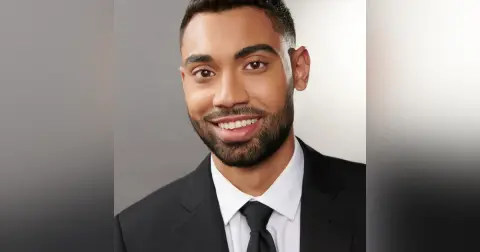
Well, I spoke to one of "them," one of the new generation of physicians, to get his take.
Third-year Family Medicine Resident Dr. Kumail Hussain is my latest guest on the podcast.
It was a great conversation, and I learned a lot and have a much better understanding of how newer doctors feel.
This is a must listen episode.
Hesham A. Hassaballa: This is Healthcare Musings. I'm your host, Dr. Hashem Hasabala. Welcome everybody to Healthcare Musing. So happy to have you with me. So so this is a great special episode for me. I if you follow me along, I've had a bunch of c podcast episodes entitled They Don't Make Like They
Kumail Hussain: in time
Hesham A. Hassaballa: Used To. and because an I am old enough now in training where I am becoming a curmudgeon, where I am one of those who says, you know, when I was in training, You know, it was I I went uphill both ways and ten feet of snow. And you know, you guys you guys don't know how good you have it. And I still believe that. I grew up in the era of written charts. There was no EMR. I was the Heperin protocol. we were paged, you know, twice every for every six hours for every PTT. My first n month on call was in the CCU. we didn't have workout restrictions. We were on call, you know Q four. when I did in medical school we were on call, you know, Q th Q three, Q two were the surgery residence. I mean, we we grew up in a way different era. They they I mean the the there was no such thing as work hour restrictions. We'd be postcall. If I was postcall in the unit and I went home at one o'clock postcall, great. Good f good for me. But if I was if I had a busy night and I went on call home four PM post call. Well, that's the way it goes. And even not even that, my senior would be like one o'clock, even like, I'm tired. I'm gonna go home. And just leave me post-call. And the next senior came on, he's like, Where's your senior? He went home. And the senior is soaked mad, but there's not nothing I could do about it, right? That was the era that I grew up in. And it's completely changed now. And so yeah, I say they don't make them like they used to. and it's a it's a different world. So Today, I am gonna speak and have an honest conversation with one of quote them, the new generation of physicians to to get to get to take and we have a back and forth. So Dr. Co Kumal Hursain, it's so great to have you on the show. Welcome.
Kumail Hussain: Yeah, thank you for having me Dr. Hazabala. Pleasure.
Hesham A. Hassaballa: So yeah, let me put it straight at you. They don't make like they used to, bro. You guys, I think your
Kumail Hussain: Mm-hmm.
Hesham A. Hassaballa: tr your your your training is setting you up for failure. What do you have to say?
Kumail Hussain: Yeah. Yeah. So my right now I'm a third year resident in family medicine over here in the Midwest. family medicine is traditionally outpatient heavy. versus in our program just happens to be more inpatient heavy. So I will say in pa inpatient heavy specialties, it's critical care, anything procedural, the hours are are more grueling just because that's there there needs to be 24 hour coverage. Even with our service, there is there's twenty four hour coverage, right? So I think when when residency first came out, we all kind understand how residency was even developed. There was some some gentleman who was on under the influence, working crazy hours, and then the system kind of followed suit, right? Until these new rules and regulations came along. So that that created the first generation of physicians, and I think everyone kind of followed that trend. A lot has changed from Dr. Hazabala's time. Some might argue for the worse, some might argue for the better. And I think you have to kind of look at it in different perspectives. So from the perspective of Clinical experience, I will say there is a difference, right? You might you might not see as many, like let's just let's just start with the clinical experience part of it, right? You the the older docs might have seen more just because they're working more and stuff like that. But with the advancements we have in technology with EMRs, we were able to review patients much more thoroughly. We're able to get data, information on the spot, and synthesize and learn about patients in a more efficient manner, I would say. Back then, like you said, you were being paged about the PTTs. That's a great example of like, yes, used to do it old school, but how much of that would actually contribute to your learning, right? You've done it so many times, and yeah, you could probably do it without thinking about it, but at the same time, that did take away from other learning experiences. Not because all these things are automated. We have patient care technicians, we have nurses following protocols and the labs being drawn. I'm able to focus on complex patients. I'm able to focus on talking to patients, I'm able to focus on my didactic lectures. And I think that's a big point I want to kind of discuss with you, Dr. Hasabala, is that do you think that all these responsibilities as a resident on that we used to have back in the old days, now it's different. Now we can actually focus on learning the medicine of the patient and getting to know the patients and have actual discussion with our attendings, our seniors, because that's how I feel in my training, right? Instead of worrying about worrying about the small day-to-day stuff, I get to really have an enriched clinical experience and really get the education I want.
Hesham A. Hassaballa: I hear you. There was a lot of scut when I was in training. Like when I when I was a fellow, I would be the one who would take the sample down. Right. The the the I would do a bronchoscopy. I would collect the sample. I would take it to the lab myself. I would fill out the lab requisition and do that. you know, when I was in medical school, I was the phlebotomist. I drew the blood gases. That kind of scut work, yeah, there's very little learning in that. I hear you. That's when I became an attending and all that was done for me. It was wonderful. I it was it was really refreshing. The thing I think that there's a there's a disconnect is that our field is still, I believe, a guild. It's a guild. Remember in the guilds, you had an apprentice, right? So you had a blacksmith, and then the blacksmith would have a an apprentice, and the apprentice would learn under the blacksmith for years before the apprentice was able under the guidance of the of the of the teacher the blacksmith to become a blacksmith on their own same with a bricklayer same with a mason same with a carpenter same it's the same kind of thing and I think our field it is still a guild where you I was dangerous coming out of medical school you know our f I was dangerous. I did not know what I did not know. And now you have human beings that are in your care that it's life and death. And the and every teacher is it's every patient is a teacher. Every patient experience teaches you. And so when you're robbed of more patient contact because you don't have because you have the work hour restrictions, you are just doing you are Robbing yourself of patient experience. And that is what gets you to be a better doctor: seeing patients.
Kumail Hussain: Yeah. Great points.
Hesham A. Hassaballa: I think that's the disconnect. I think that's the that's the disconnect. I I'm not saying working a hundred and twenty hours and leaving postcall where you don't remember how you got home, which is how it was with me. I'm not saying that was great. And it built a work ethic and a resilience that frankly, with all due respect, I don't see today in
Kumail Hussain: Mm-hmm.
Hesham A. Hassaballa: a lot of the trainees that that that come out. It's not the same.
Kumail Hussain: Yeah. So I think there's a good distinction to make. Efficiency versus efficacy, right? Or just be being efficient is always being busy, right? Doing the scut work, like you mentioned. I can't imagine doing a bronch or drawing a blood glass and having to go down there and do myself. I've never been we've never been expected to do that, right? in terms of clinical experience and like patient the patient interactions, I think it's still there even with our training. It sounds like you Working a lot of hours, being at the hospital a lot of hours doesn't always translate into the actual learning that I think that we're discussing here, right? If if during the time that I am actually on service, if I am one of the main residents and there's plenty of patients to discuss, even if it's not our own patients, because our service might be light on some days, there's opportunities go lower. And a a good program while abiding by the work hours will make that a good experience for the resident, whether it's in pa whether it's patient encounters, whether it's didactics. Whether it's running through patient cases, whether it's discussing patient cases, the medical implications, the social implications, the financial implications, we also have to understand that back when you trained Dr. Hazabala, the first aid book, so you will, right, was probably this thick, right? Now we have to learn ten times as many things, right? We practice knowing now we we kind of know what we didn't know, right? So it's it's a it's a process that you refined. I think the the bricklayer, the the the blacksmith example is perfect. That person had to create the process. your generation, right? Your generation also came back and said, Well, here's our data. What do you guys think? The new generation looked at and said, Well, I don't I don't think it's necessary to work this many hours. I don't think it's necessary that the resident has to run the gas or do these kind of this the scut work. Because we learned from the process. You you refine the process. I think what our generation is, is is a refined process. And I think from the older generation might look at that and say that you guys are not doing things efficiently. I would argue we're doing things effectively now. Right. We're doing things the time we are on service, we are learning. Now, there's always going to be variability amongst the residents. Some residents might be lazy, right? But I think that's more anecdotal versus as a whole. A single a single event or a single resident does not constitute the the sum of the residents because a lot of the residents are coming out understanding the concepts in other sense. They're understanding how to do the procedures, they're understanding how to manage patients, how to talk to patients. Nowadays, we are so I can't even when I walk into a patient room, I am told. To wash my hands, to do the hand sanitizer, address them by the proper pronouns. I have to make sure I'm giving FaceTime to the patient. I have make sure I'm doing correct body language. All these things, even in my residency, I'm being monitored from the time I step in, on top of very strict dictation requirements, right? On top of time constraints, on top of this is what your practice will be like, right? There are so many things that someone else on top of me has already decided for me. So when I walk into the hospital, I'm ready to learn medicine and do medicine and and And treat our patients, but I'm also having to fight this litigious nature of the medical world that you are also aware of, even with like with your current roles, right? You can you can probably attest to the fact that it does look different in terms of we practice defensive medicine, we have to practice just being politically correct and neutral in a lot of topics. We are in a very different state politically, economically, financially, that residents have to navigate while learning 10 times as much information. And if the if the o a big change is how many hours we have to work and the job is still getting done and the knowledge is there, I would argue we're doing things effectively.
Hesham A. Hassaballa: Okay. But real life doesn't have caps. Okay. You there is no such thing as going home post call at 10 in the morning. Right. When I'm on, like when I work the weekend, you know, we work together at the same hospital in the Midwest. And I was one of the probably the last in our practice where we took call. I'm taking call and I'm coming in the next day and I'm working a whole shift. We don't, I don't go home, you know, the the real the real world doesn't it the the work hasn't changed. The field hasn't changed. The the amount, I mean, when I came out of training, you know, it it was like, you know, my and my orientation was here are the patients, there's the hospital, I'll see you on Monday, right? That was my orientation. And you just, you learned a lot on your own, but the work hasn't changed. Patients don't stop at five o'clock. They don't go home post call at 10 10 in the morning. The the the field is just as hard. And there's more to know. And they're more complex and they're sicker now. But your training has. When you're expected to you all these things that you're saying, you have to wash your hands and address them by their pronouns and make sure you're doing all that. Well that that's I have to do that too. There's no d that's the way it is. This is our field, right? So that's there's I don't see that that's a the what what I don't know why you're begrudging that. That's just the way it is. But your training is is is is not it's it the tr the the work hasn't changed, the field is the same. But the training has. And and the my fear, my fear is you're you're used to, we only ever saw 10 patients on the service, and then you get you get a job and you're as a hospitalist and you're supposed to see 15, 16, 17, 18 patients. Whoa. I'm I'm not I'm I'm not used to that. But that's that's that's reality. No one's gonna pay you a big six figure salary. And expects you to to go home at five PM after seeing ten people. That's not sustainable. That's my that's my that's my thing. That's my
Kumail Hussain: Yeah.
Hesham A. Hassaballa: problem.
Kumail Hussain: Yeah. So I think it brings up a good point. I think there's a there's a notion that because there's caps, because there's shift times and ends, that there's less experiences, there's less opportunities. May may maybe to a certain extent you could argue that, but the same time, we we are as most residents and most residencies, I can I can speak only in my residency because I'm I'm currently in my residency. There is a ramp up period. As an intern, you're learning the ropes, you're sh shadowing the senior. I think the the ish, the thing of like leaving the intern alone and kind of fend for themselves. Well, I understand, you know, to even learn how to swim, someone might have thrown a person in water and learned how to swim, right? That's one way of learning. I'm not saying that's the only way to learn. The other way to learn is say, hey, watch me do these things, emulate what I do. And once you feel comfortable, you will take on more responsibilities. The goal is as the as the resident progresses, they meet the milestones, they take on more patience. I think Patient loads do vary between residency to residency. I would say we there are times with our service where things can be quite busy. As a senior, you are expected to understand the whole list. You're expected to, in our residency, we respond to rapid responses. We also we also manage our own lists, admits, discharges. And and the benefit is it's we we don't have to do the scut work. We genuinely get to sit and talk about our patients. When we admit a patient for a CHF exacerbation, There's more time for me to understand that patient, to understand that experience, to talk about their code status, to talk about their home medications, especially as family doctors, right? Almost any specialty should do this. But our specialty, especially, we're we look at the patient holistically. You know, like I don't have to come to the patient and say, You're one of my you're you're one of my one of 50 patients. I only have two minutes to spend with you. I'm gonna treat you like the most basics and then just go move on to the next one. That's what I feel like can happen when you have. Too much, too many people, you're on for so many hours, or you're seeing so many patients, that is not viable. The cap is put in place based on historic data to make sure that we are actually understanding the care that we are delivering and then we are slowly ramped up. Now, like obviously, would I would I appreciate more volume at my own residency? I would because my special I want to I I w I do want to pursue becoming a hospice at one point, right? But when you're selecting programs, there are more city-heavy programs that will have higher patient loads. But they still have caps because there need there needs because the studies show that like just having you see patients and do the scut work is not effective, right? You need to just whatever you do see, sit down and reflect and under and understand what kind of care are you delivering, how can you be better? Because it sounds like from the training back in the old days, it was just like figure it out. But you really don't know if you figured it out, right? No one ever came back and said, Well, that's one way of doing it. Can we do things better? And that's what the we we we're thankful for the previous generation for doing for us. We've seen, and I think I want to ask you this question. Even though there's days where you're on postcall, you're coming in the next day, as a resident, especially when you're working these these grueling hours, do you feel like you were at a hundred percent? So when a patient is relying on you on life or death situations, do you eat do you think the the previous generation who worked all these hours, who had all these responsibilities, they were bringing forth their best self? The patient got a doctor at his hundred percent and got the kit got the best care that they could possibly deliver. On minimal sleep, on all this stress and all these unnecessary tasks on top of them. Do you feel like that is accurate?
Hesham A. Hassaballa: No, there there's no no question that you you would Bernard in our day you you could your doctor could be tired and and and not sleep not sleep a lot because there's a lot of work. and we had as an intern, you know, the I had a senior that was that was making sure that everything was was okay and and overlooked what I did. The the We had one service when I was in residency that capped, that capped at five admissions. Well, okay, but the the other the their that the cap is just on one service, but we can't cap the people being admitted to the hospital. So all that would do is we we would look. They were called the A-team. The A team had a five patient admit cap. If the A-team capped at noon. We knew it was gonna be a tough day. It was gonna be a rough night because now 18 caps at noon, that means we're gonna get slammed. And we got slammed. Right? We got slammed. We get seven, eight, nine admissions overnight. And then we have to round on them the next day and do everything postcall. And we have to do attending rounds and then we have to do other consultations. And again, if I'm efficient and I can leave at one PM postcall, fantastic. What it engendered is a work ethic when I learned how to be efficient without cutting corners. Whereas now, yeah, okay, yeah, I'm kept so I can spend the time to do the stuff that you say and learn and look up and talk to the other attending. But again, the the the the rest of the hospital's not gonna stop because you're capped. Someone else is gonna take that work. You know what I mean? Someone else is gonna see that patient. You're not because you're because you're capped and you're you're you're doing all your things, but the work hasn't stopped. Someone else is gonna pick up that slack. So then you go again, you're used to being capped to take your time and learn. Then you're you're gonna be a hospitalist. You go to a floor and yep, here you go. Here's your 16 patients. by the way, there are three admits waiting in the ER for you. yeah, and you have to discharge everybody by by ten a.m. you're supposed to meet with the case manager and you have supposed to have rounds and you're supposed and all this is on top of you and you're not whoa, I never did this in in in training. There you go. Now you're it's not preparing you for the real world. That's my po that's my prop that's my problem. I'm not saying you should be s you should be berated and brutalized. I'm not saying that scut work is the job of the resident. Nope. I I I agree. I think getting rid of the scut work was was good. There's no learning and taking the lab, you know, taking filling out the requisition and taking the lab. There's no learning there. But the work has to be done, right? The the the yeah, attendings yelled screw screamed at us. Yep. They did. they made residents cry on attending rounds. All that's true. All that's true. I'm not saying that's good. What I am saying is that when the going got tough, like in the pandemic, the old farts like me who are used who are used to it remain standing, where a lot of others in your generation melted like butter.
Kumail Hussain: No.
Hesham A. Hassaballa: There's just not, it's just because there's no that we're I'm used to it. But they people were getting residents were talking about being burnt out in the pandemic. You haven't even practiced. What do you mean you're burnt? How could you be burnt out? You're not even you're not even in practice yet. You know? You see what I'm saying? You know,
Kumail Hussain: Yeah. Yeah.
Hesham A. Hassaballa: that's my that's my pro that's my problem. Then when you come out, and then when I when I interview a trainee, and the first question the trainee asks is, How many nights do I have to work? Bro, that just shuts me down. I'm like, okay, nobody wants to work nights. If I can never work another night shift, gr great. But you know what? Patients don't go home at 5 p.m. They don't go home and then come back the the the the the next day. Someone has to care for them. Right? And if you off the bat ask me how many nights and how much I'm gonna get paid and how how many vacations I'm gonna have, bro, I'm telling you. That's just that that's like, okay. Well this this person doesn't want to work.
Kumail Hussain: Yeah. But that's also a byproduct of seeing what the older generation did, right? So a couple points to raise is the implications of mental health, physician burnout, suicide, all these things, right? There's a lot of data to support a lot of that is related to residents. We have residents and med students to this day taking their lives because of what the the field has done to them, right? And we can say, well, that's a small subset of people. It's sad that you know,
Hesham A. Hassaballa: That's so sad. That's so sad.
Kumail Hussain: like it's a small it could be a small subset of people, but at the same time, our our population is small, right? Back then we were facing shortages and like inefficiencies. We we do have better technology. We have more doctors to address these things where the same doctor doesn't have to work every night, right? Because we we have coverage. So the benefit is for the new generation, we've we've paved the way so they can focus on delivering good care. Now we can say, you know, there's cab, like they're the not having caps when going gets tough, the tough gets going. I think most people are gonna are gonna struggle in medicine, not only just for the reasons of pati like the number of patients, but the other challenges we're facing in medicine right now, the the pot the political climate. I I come in like now for example, something that maybe you might not see in like the intensive care now. I'm dealing with patients who don't want to get vaccinated, who dwan to dictate their medical care, who want me to treat them based on what they see on GPT, right? That's something that the older generation never saw. The biggest thing was you guys would walk into rooms and no one would ever question the doctor. Right, at least you got in there and whatever you learned and did, no one really questioned. Today in today's world, we are questioned, right? And we I am I have been recorded while delivering care, right? We ha we live in a world where like you are you are practicing defensively. Just by that alone, not it including how much work we have to do on top of the medical responsibilities, that can contribute to the burnout, right? Financial concerns, the cost of living, all these things, they are because at the end of the day, I think we always talk about doctors need to do this, doctors need needs to do that, but we also neglect to mention that the the people doing the job as doctors are human. And humans, I mean we we we specialize in humans. We learn about humans. We learn about the mind, right? We understand what extreme stress can do to the mind. Some people might thrive in it, but I don't think any truly any individual thrives in it. I think an individual learns how to cope and use proper defense mechanisms. Some people resort to drugs, substances, some people resort to just you know kicking everyone out of their lives and just focusing on that thing. But a lot of these things are not sustainable, right? The the habits we've learned in residency from like especially in the old days are not what you pe most people do today, right? That was never the goal. So if we're trying to pave way to make it better for the next generation, we're we're addressing shortages, we're being more effective, we're being more efficient, the new generation should benefit from that with the expectation that they're not and I don't I don't think the new generation takes it lightly what the previous generation has created, right? We would not know half the medical conditions and treatments. without the trials and tribulations of previous generations have, right? And a lot of, and I will say a lot of our generation, they do prioritize things like work-life balance, right? Is it's a it's a thing that it is important to us because we have seen the implications of people giving themselves to a career, moving to an area, doing their training, staying living somewhere away from their family, losing their relationships, losing like who they really were. And all they ever were was a physician, which is such a noble profession, but people are also entitled to have their own lives. Just like how we have these platforms that make us happy, right? We are we are entitled, we are allowed to have this. Doctors for too long have been kind of just put into a corner, a box of like this is how you should act and this is how you should be, right? And in in our generation, we care about things like vacation, not doing a lot of night shifts, because we understand that if we're if we're not home every night and you have a family and you have a wife and you grow up, and next thing you know your your your partner is divorcing you, your kids don't talk to you because you gave yourself to the profession, we appreciate what we have done for the what you guys have done for the profession, but not at the expense of your own life, right? People that has really affected physicians who ad who come in with that mentality. There's been long-term consequences that we're now seeing. And I think our generation really does pay attention to because we can disseminate information very quickly. Things things travel quickly in our field. We we hear about these things and we're making decisions. We're making decisions based on what we see and hear, the data in front of us, right? We're not making decisions because I think we're inherently lazy. I think we make decisions saying that I I we know we don't want to we don't want to go down this route, but we still do think that you can get a good education. I believe I get a good education at my residency. At times, it is lighter days, right? I'm not being I am not being challenged every day when it comes to a busy service, but some days there is, right? And I do get to go home at a certain time. I do have predictability in my schedule, but that allows me to have a family, that allows me to engage in other things, that allows me to be a s like a service to my community, that allows me to do. other things and become a multidimensional being. So I wanna curious curious to say what you what you think of think about that.
Hesham A. Hassaballa: Yeah, that's I mean, y you are right. A lot of people in my my generation and the older generation sacrificed a lot for the field. it was all consuming. And they did sacrifice family life for the sake of for the sake of the career to try to bring their families good li and I and even now I'm it's very important for me to to have that that that that balance. I I completely agree with you that I I wanna I love what I do. And I also wanna see my family. I also wanna be home with my kids. I also wanna see them grow up and I also wanna be at their games. my dad isn't was not a doctor and he worked super hard and we didn't see him a lot. And I'm so appreciative for everything he's done and and and God bless him and he gave me a wonderful childhood and I I never wanted anything and I felt and I was a very happy I had a very happy childhood and I and I didn't see him a lot because because he worked hard and when I became a father, I really wanted to make sure that I was in my kids' lives, that I went to their games. As much as I can. And there's sometimes I can't. Sometimes I have to work a night shift and I can't make it to all their games. Sometimes I have to travel and I can't make it to their to their functions. Right? It it goes it goes with the territory. and I I I yes, you you you but those things about Patients questioning you and now GPT. We we face that too, right? It's it's now part of the job. It's part it's we face that just as much as you do. I we I face the gun of liability and malpractice just as much as you do, right? so all those new challenges, we're having to face it. And we didn't grow up with technology like you did, right? We we I was I grew up in the written generation. we had written orders and written notes. The EMR was late in my late, not even in my training, after my after my tr after my training is when we started having an EMR. So and we learned to adapt to it. And I think, and I want to get your point about I get your thoughts about that. I think there's a mismatch in exp in between expectations and reality, which may be contributing to burnout. I think, I don't know, do you guys do you guys really think you're gonna you're gonna get paid a very, very good salary relatively speaking, and you are gonna work like a banker. Then you should have become a banker. You should have been into banking if you want to work bankers' hours. Okay? Though the job is hard. Medicine is hard. And now you have to learn more than we did. No doubt about it. You know, the the the the physiology and the pathophysiology that I learned is way less than what you had to learn in med school and now residency. Now I'm catching up to that. And I just I I don't understand like what did you expect it was going to be? Did you expect it was going to be like a regular retail job or anything? I I I just don't understand what did you expect it was going to be. And so that mismatch in expectations versus reality is what it leads a lot of people to burnout. Or are you even in the right field? Do you really want to be a doctor? Like I tell my kids, all my kids, if you don't want it, don't do it. I love it. I wanted it. So whatever difficulty it comes with, I take it with a smile. But a lot of people do do a lot of people really, really want to be doctors?
Kumail Hussain: It's great question. Super good question. and I I I appreciate you raising that. The expectations that our generation has on medicine, you know, we're as human beings, you can never get it right. You could never truly your reality will never truly re meet your expectations. And it comes down to personality type. If you're the kind of person to wish for the best, wish for the best, and then when someone sometimes something doesn't happen the way you want to, and then you and you kind of get sad of it, you know, of course that will contribute to burnout. And I think Most people going into medicine, especially my colleagues, we all understand my own classmates in medical school. We would put in hours. All even in medical school, we built it into our minds. Some people might be going out, having fun on the weekends. We studied, right? Even in even in my generation, I saw that. Not because we not because we had to, right? Because well, we kind of had to, but like, I mean, because there's those there was so much information that was not possible to get it done eight to five, but because we cared. People going into the field should care. Most people do care because even even though we might look at what our re generation is doing today and like the less work hours, you still have to care. It's still not an easy job to do, even if it's less rigorous as it once was, it's still not easy to wake up in in the morning, stay late, and have to deal with patients who might question your judgment and have to deal with s all this l litigious nature of medicine nowadays. I think a lot of people do like it, but now we are seeing the path. We're seeing paths where we can create. People do want lifestyle specialties, right? And if they're intelligent and they work their butt off and they're good and they they learn what they need to learn, and if they can manage a schedule that's reasonable, it's it's allowable in today's world. We have coverage, we have telehealth capabilities. I mean, even for yourself, we've talked about teleicu, something I've never even knew was a thing, right? Until until we we were discussing it, right? These these are
Hesham A. Hassaballa: Yeah. Absolutely. Yeah.
Kumail Hussain: t teleradiology, telepsychiatry, right? These are things that Are now available, right? So you your your schedule might be less intensive. Maybe you don't have to work every single night. Maybe you don't have to do 24-hour coverage because the hospital is employing the right amount of physicians, which I think they should have at the beginning. I truly believe a lot of the times where residents are working multiple hours is because the hospital was abusing residents. They know for a fact it costs less money to employ residents to do these services, like running an ABG down there or doing these procedures, right? Unsupervised or right.
Hesham A. Hassaballa: No doubt, no doubt. I no doubt. No doubt.
Kumail Hussain: There's a huge financial
Hesham A. Hassaballa: We're cheap labor. We we were cheap labor. And you know what I you know what I gained by the cheap labor was experience. Was resilience. Was a work ethic. Like one time I told like my so it's overwhelming. When I first got in, my first month was in the CCU. My first night and my first day as a doctor, my first day, July first, nineteen ninety nine, I was on call and I got admission after admi I didn't sleep the entire night. It was in the CSCCU. It was I after I after I all night. I didn't sleep. And later on that month, it's over so much work, so much to do. I had five people to my name when I first started, and I don't even remember how many I got that night. One time an attendant brought a patient down to the CCU to get diuresis, and I totally forgot to do LASIK to order LASIKs. Totally forgot. It just flipped, I it was overwhelming. And I did everything else but the LASIKs. And he pulled, he came to me and he didn't scream at me, but he made it known that he was very upset, that he did not the patient, his patient that he brought down to the unit to get diuresis did not get diuresis. Right? And rather than run into a corner and complain about being unfair and he attacked me. He at I'm being attacked and it's not my truth. And my God. And look at the system, what it does to us. I figured out that my system was not working. Clearly what I was doing was not working. And I figured out a better system. And that never happened again. It was very unpleasant. It was not demeaning, but it was very unpleasant and it never happened again. Right? That's What I what I fear is not being engendered is a work, is a work ethic and resilience. Like this we talked about. Resilience. And you know what triggers me now? And there was a sensible medicine post about residents unionizing. my God. I want to get your bro. That triggers me
Kumail Hussain: Mm, yeah.
Hesham A. Hassaballa: to no end about it's one thing of attendings, unionizing, and I have very lot of mixed feelings about it. I I and I don't know how to f what I feel about it. But residents, trainees unionizing, I don't know. That really gets under my skin. Like,
Kumail Hussain: Yeah.
Hesham A. Hassaballa: you know, you yeah, your work life balance, you don't wanna work hard, you you you don't you wanna do all this stuff when you're with and and you guys just You don't you're not owed anything by this field. We are not waiting for you, Dr. Hussein, to graduate to so that you can come and we can pay you all this money. And we're we we're not waiting for you. You're not owed anything. We don't owe you anything. The world doesn't owe you anything. And I and I feel like a lot of a lot of trainees, people that I hire. They come out feeling entitled like the world owes them. Let me let me let me let me break it to you, bro. No one owes you anything. And as I learned recently, there is no loyalty by institutions.
Kumail Hussain: So then that that statement of not being out anything, that's I think that's true anywhere, right? At the end at the end of the day.
Hesham A. Hassaballa: Yeah, no, it's true. It's true anywhere. But we're talking about the medical field. A lot of people I see coming out thinking that the world owes them. We don't we don't we don't we don't owe you anything.
Kumail Hussain: Well what when when we talk about the word union, and I know f for some older generation, they might look at that and scoff. But at the same time, we don't really say anything when construction workers want to unionize or other professions that are very vital. And I would argue that like construction workers are vital. other like trade laborers are vital, doctors are vital. If there's anyone out there that you want unionizing, being on the same page, residents or doctors, I say I think it's them. Not only because they want to do less work, but because they want bargaining power. Because maybe at one institution it's okay. But the next institution over, if there's late, like they're abusing residents, you know, like like you mentioned, that it's there's a huge financial incentive to use residents for this for the scut work, right? A lot of stuff a lot of these things we don't do as residents anymore because we saw that this is not effective, this is not a proper use of a residence time. And just like how you found the system. Where you didn't want to miss a pivotal piece of management for a patient. The previous generation taught us how to be more efficient. Even in something as simple as a Cartisan drip protocol, right? Something that I can order so a nurse can titrate. And if something is not going exactly up to par, we have to make a shift, that's where a doctor can intervene. But we are we are becoming more efficient so if these things don't get missed, we don't forget to put DVT prophylaxis on our patients and they have a preventable PE. We there's there's pharmacists who help us with these things, there's PCT technicians. To get these patients to the imaging that they need. There's no delay. There's CCOT nurses who are responding to our rapid responses to instill IV access so the patient could get a contrast study stat if needed, right? There's no delay in care. We're looking at a system that is more efficient. And if the people at top, the the doctors, so to speak, right?
Hesham A. Hassaballa: So then okay, so then what do you need collector of bargaining power for? If just like you said, the scut work is gone and you got things done for you, it's stuff that we're were not done for us, right? And I'm not begrudging, whatever, but I learned how to do an ABG. I did dozens of paracentesis as a resident, tons of thoracentesis, tons of central lines, tons and I wanted to be in a critical caradoc, so it worked out. I get tons of lumbar punctures. I did all those things that you guys don't have to do anymore. So What everything's done. You have the PCT, the CCOT, the the tech, all that stuff, just like just like attendings do. So what do you need collective bargaining power for? So that you can so that you
Kumail Hussain: A lot of these things are
Hesham A. Hassaballa: can have paid paid vacation for four weeks? So that you can so that you don't work, so that you're out of policy, that you can so that once it's 40 hours in a week or 50 hours, that's it. Sorry, I'm done. Tough. The next patient has to be seen. well. Like so if everything's done for you like you said and it is, it is, what why do you need collective bar c what's the point of collective bargaining?
Kumail Hussain: changes we see today it's because of the the culture that a lot of our generation has done right they we we do raise hell about things that are just that don't make sense to us that are more just like that's just you're just you're just using us to use us for this case. Now of course we don't clock out at five I mean if the work needs to get done any resident will get the work done. And I can I can say without a doubt that any any resident who is currently still a resident is not leaving patients unattended to right there there's sign off procedures, there's a team coming on right
Hesham A. Hassaballa: Yeah, and I'm not saying that either. I'm not saying that. I'm just bringing hyp hypotheticals like, yeah, so don't don't misunderstand me. Yeah. Well that well that's why I wanted to have a conversation with you.
Kumail Hussain: Yeah. Yeah. And like I mean, it's and it and and it might feel like that we're trying to leave because like a lot of a lot of us, like I mentioned before, like I alluded to, we we do it 'cause we care. And we're just saying that, hey, maybe there's a more maybe there's a more efficient way to do it where I'm not having to have decision fatigue on all these random things that really can be systematized, right? Just like I mean, I run a business myself. There's so many things that I can do day to day on top of this. But there's better systems, there's software, there's technology, there's people that we can empower. And a lot of those things came about because people started raising these concerns. Like, is there a better way to do this? Is there a better way to do that? Patients are not getting to diuresis, patients are dying from PEs, patients are not being like titreed appropriately on these drips, right? Because the doctors are have are are are too busy, right? We because of the collective bargaining power we had and we're like still still advocating for change in our institutions, we're able to make these changes, right? We're able to advocate for more doctors. And of course, if you come on if you come online, Dr. Hazabala. I would like to pay you X amount of dollars. It's a very good salary. You've never had a salary like this, but you are going to be the main doctor of the hospital. You will need to take a 24-hour call, 36-hour call, and you'll say, okay, well, that makes sense. But fast forward five, 10 years, they can bring people into your group to minimize your coverage, right? Where you don't have to work excessively and still make a similar kind of salary. That the hospital has the budget to do that, right? They just chose, well, you agreed to run the whole thing and I was gonna pay you a fraction. now you want more people. I guess we can all of a sudden the budget now works, right? But you also have to understand that the people overseeing you and giving you all all these opportunities, they have a different incentive in mind. And now and nowadays, the it is so clear we have private equity groups owning hospitals, doctors don't own practices, they don't own hospitals. We are we are like, do I really wanna go and do extra work for a system? That doesn't really value in the first place. I will do it for the patient all day, right? If the patient needs the care, I don't care what their insurance are or what it is, right? But they still, they'll still fight me and say they're self-paid. Don't order that test, right? I have to think about that now, right? I have to look, what insurance? I there was a time in my residency where I have to look at their insurance before admitting them and say, I can't even see them on my service because we don't accept their insurance. Me as a resident, if I sell that patient, the hospital doesn't get paid. So I have to think twice about my care, right? These are the new things that our our generation is facing, right? But like we're advocating for change. We want things to be more streamlined. We want things to be fair and equitable for our patients. I I would argue that our generation has pushed so much diversity, equity and inclusion for our own members and our medical community and our patients.
Hesham A. Hassaballa: that's it. Those are those are those are bad those are bad words today.
Kumail Hussain: Right. So those and there's and there's still so much conversation regarding, right? But like the passion is there. We want, we want to mobilize and make changes, right? Of course, some changes might have a selfish component to it. Like if if if you had to say, hey, would you wanna would you do you want more weekends back? And they the answer for most people would be yes, right? Because the patient still gets seen, right?
Hesham A. Hassaballa: Me too. Me too. I don't disagree. Yeah. Yeah, yeah.
Kumail Hussain: So I mean not we have better systems. And I think the biggest thing the gen the and it's good we're talking about this, right? The the the older generation, the current generation need to understand why the changes are happening. I think if from an outside perspective, you look at it and say, Well, they're doing less work and 'cause they're lazy. That is a confounding thing that we're we're deducing. It's really because, well, we found more efficient ways to see patients. I would argue medical errors are down. People are seeing more quickly. People people are getting the treatment they need. Like even like Hospitals are running a little more smoothly, right? Just because of all the variables and things I just talked about, right? And that's good. If I'm a patient, I want a doctor who is happy, who is not on zero hours of sleep, who has the systems in place that they can focus on me. They're not thinking about the PTINR while they're giving me giving me care like a care that needs to be delivered right then and there as a critical care doc, as a hospitalist doc, as whatever, as whatever doctor I have, I want their attention. I want them. To not be burnt out and like and and hate their lives, right? I'm not to say every single doctor in the older generation is in that boat, but we have seen a lot of doctors come out bitter and take that out on staff, on patients, right? And I we we we want to create happy doctors. And if we have to, you know, give and take a little bit, compromise a little bit on coverage, on patient caps and whatever it is, I think it's a small price to pay because the patients still get the care they need. And you you are building doctors that will be there for the long haul, right? There still needs to be. barriers of like, yeah, you still have to like work hard. This is not a free ride. You d you're not gonna have a bankers kind of schedule, right? And I but I think there needs to be a balance of like we're still gonna take care of you as a person, but we still need this level of work. And I d and I don't think the hospital should decide that. I think it should be doctors deciding, right?
Hesham A. Hassaballa: Fair enough. Fair enough. And I and I I do agree with you that our patients deserve happy doctors. Like our patients deserve to have a doctor that doesn't hate their career, that's like you said, taking it out on staff and bitter and and and angry. And I I I I put that I put that on the doctor. Like I know I could I see there's a lot of doctors who just they hate what they do. Then why'd you do it in the first place, Bruce? Why'd you do? I mean, I could have done anything I wanted in I could have picked any career. I picked critical care, which was not easy, because I love being in the ICU. I love it. And people can you can tell that I am enjoying myself even when I'm getting clobbered. I am having a good time. I love it. And I leave smiling. Even if I got slammed. And everybody, and I'm just telling you right now, all the residents listening to this, all the trainees, all the med students, do not do a field you cannot see yourself doing for 50 years. You got it, whatever it is, if it's if you if you love what you do, you won't work a day in your life. That is not cliche. That is real. That is that is reality. And and so whatever you do, if you're in a field you you are not happy with, if you can't see yourself doing whatever, if you're Dr. Hussein, it's family medicine or hospitalist medicine, if you can't see yourself doing it for 50 years, get out. Get out. Your patients don't deserve it. Your patients don't deserve you being angry and bitter because you made the wrong choice. I I agree with you. I I hear what you're saying. I hear you that you guys have learning how to do it better and Yes, I think getting rid of the scut work, getting more time, I I hear what you're saying. That's why I wanted to talk to you to get your to get your thoughts. and I would say just remember that the job is just as hard now as it was when I came out of training. And if not if not more challenging because the patient population and and the attitudes have changed. And I just just remember that this field is still hard. It's still it's still hard. And so don't it's not it's not the field's fault that it's that it's that it's hard. You know what I mean?
Kumail Hussain: Yeah, a hundred percent. And I think this is these are important conversations to have because this this is a this is a long field, this is a hard field for many reasons for our kind of generation too. When you go into this field, there's a huge financial obligation, there's a time obligation. There used to there was a day where you would just have added qualifications, now everything is fellowship, now everything is additional this, additional that. Versus if you got the experience of residency, then you should be qualified, but that's not the case anymore, right? There's So much more just even get credentialed, like for myself to get credentialed the moonlight in my own hospital. It's taking me three three months, right? And all I
Hesham A. Hassaballa: Yep. Yep.
Kumail Hussain: want to do is just serve patients. I'm like, why is there a delay? But there is so much bureaucracy and hoops that we have to jump through. And I recognize how much the the previous generation has has done for us and has to like go through things. And we we will gladly fix these things and keep advocating for change. So future doctors come. They're happy. Because I'll I'll say just my personally speaking, the reason why I enjoy my program is because my attendings are happy, including yourself, Dr. Hasavala. When I would work with you in the ICU, right? I I I had a I had a desire to learn when that doctor had a smile on his face and he didn't come to me and said, Don't talk to I have too much going on, right? That takes away my spirit to learn, right? And and I know this and every every people might have bad days and pee and there's been peop things happen in the real world, it gets tougher. Right, but a good attitude in medicine, when you s when you start it from the get-go and you create this positive attitude, it's infectious to the team, to the staff, to the residents, to the medical students, to the patients. I can't tell you how many times when I start an encounter with a smile on my face, no matter how busy I was that day, or no matter how like how much I'm getting slammed in call, the patients respond accordingly. And all and when when a when a patient like approaches me with anger and and whatever, right? I always put a smile on my face. And nine times out of ten, that calms them down. It it makes for a better encounter. It makes for a better history taking. It makes for better diagnosing. So I can actually listen to my patients. We'd like we we don't want anyone being angry and sad in this field because that just that doesn't make for good medicine. Right. And maybe this is a cliche, it's a little woo-woo that our our our generation is kind of harping on nowadays. But there there is some data to it when there's psychological safety and where you learn. And you know, you're you're releasing good, feel-good hormones, right? And not you're not releasing cortisol all the time, then you learn a little better. You encode things a little better, and you encode things in the proper parts of the brain. I mean, there's there's study to suggest that, right? So that's a thing, I think that's what the j our generation wants to for to for you guys to understand. And I think conversations like this help me understand what you guys went through, help me understand to say, hey, it's it's a little bit more on me to make my educational educational experience more rich. I can't I there's in any field there's a way to like kind of sit back and coast in residency programs. There are there are ways to do that. But any resident who cares about the patients should not do that on purpose. They should have a desire to learn. They should understand and learn as much as they can, take on more work, and almost any residency, you can take on more work and responsibilities to learn more. And I think as long as we foster that sense of education, collaboration and learning, then our residents will be good, right? They they they won't be like they used to. Right, but that doesn't necessarily mean worse in my book.
Hesham A. Hassaballa: Fair enough. I th this is why I wanted to have the conversation with you. I think we will we'll end on agreement that yes, we should all be practicing with smiles on our faces. Recognize w yeah, some of the stuff that we did was not right. I'm not saying it's perfect the way we did it. remember that every patient is a teacher. And the more patients you see, the better you are. And every even now, twenty plus years later in practice, every patient teaches me something new. And at the same time, I think it's good to to hear from to where where you're coming from. And I think we can both agree that we want all we we want our patients deserve happy doctors. And and and and maybe maybe we can learn from you guys how to create happier doctors for the sake of our patients. So I really want to thank you, Dr. Camille Herssain, for this fantastic conversation. definitely come back on the show. We can we can talk more about about about other things. I'd be more than happy to come on your show as well. So you can the the roles are are are reversed. But thanks so much, man, for for for coming on and and and and explaining and having an honorous conversation from the th the next generation. You are one of the best I've ever worked with. I look forward to seeing the great things that you'll do in your career and and we'll see you soon. Thanks, Dr. Harsan, for for coming on.
Kumail Hussain: Thank you, Doctor Hoswell. And thank you for everything that you've done for residents and the things that you do on on not just in medicine, but the platforms like you have here. It inspires doctors like me to pursue my interests and passions while still being a good and thoroughly trained doctor. So I appreciate everything you've taught me and I'm looking forward to coming back and, you know, collaborating on more things. So this is a great conversation.
Hesham A. Hassaballa: Thanks, man. Take care. All right, everybody. We'll see you next time on Healthcare Musings. Thanks for listening. Healthcare Musings is a production of FaithfulWord Media. Sign up at drhasabala.com to get every episode delivered directly to your inbox. And please don't forget to give the show a five-star review. Thanks so much.