ER-ICU Wars: My Conversation With A Doctor Who Works In Both


 RSS Feed
 I frequently get triggered when an Emergency Medicine colleague calls me and says, "I want to admit this patient to the ICU..."
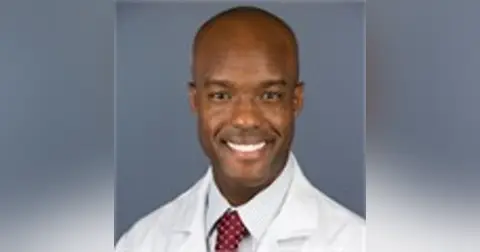
But then I sat down with a colleague and friend who works in both, Dr. Rod Fontanette, and I came away with a whole new appreciation of life across the hall from the ICU.
Guest information: https://www.linkedin.com/in/roderick-w-fontenette-md-mhcm-cpe-facep-fccm-b9160250/
Hesham A. Hassaballa: This is Healthcare Musings. I'm your host, Dr. Hashem Hasabala. Welcome everybody, the Healthcare Musing. So happy to have you with me. I am very delighted to have Dr. Rod Fontanette. He is one of my favorite docs in my group.
Roderick W. Fontenette: Yeah.
Hesham A. Hassaballa: He is such a compelling story. He and I'll I'll let him I'll let him introduce himself, but I wanted to get him onto this first ever in the series, ERICU Wars. because there's a lot of things I wanna
Roderick W. Fontenette: Yes.
Hesham A. Hassaballa: tell emergency medicine docs to their face, but I'm too cowardly to do so. So now I have one of my friends who will who will let me do it. So Doctor Rod Fontenet, it's such a pleasure to have you on the show. Welcome.
Roderick W. Fontenette: Man, thanks for having me. It's a pleasure to be here. Thanks for having me. Yes.
Hesham A. Hassaballa: It's it's it's awesome. So p t kinda give the audience kinda who you are. Your story's amazing, so just I don't wanna I don't wanna make
Roderick W. Fontenette: Thank you.
Hesham A. Hassaballa: it you know, I don't wanna say anything wrong. So go ahead. Tell tell people who you are.
Roderick W. Fontenette: yeah, yeah. yeah. So Rod Frontenet, emergency medicine, critical care medicine. And so boarded and trained, so residency trained in emergency medicine. retired from the Air Force, the 21 years active duty Air Force. I came in actually as a jet engine mechanic, through basic training in the Air Force and good old Lackland Air Force Base many, many, many, many years ago. fixing jet engines because they told me they had no medical jobs available for me. but they told me that just like physicians roll around in chairs in exam rooms, I'll be doing the exact same things. I'll just be doing it underneath the jet engine. And so I was seventeen years old at the time. Sounded like a great idea. And so so I did that for a few years. I fixed the A ten and then I went on to fix the F-16. absolutely loved it. it was I loved it a lot. I actually learned a ton about how like from the operational side of the Air Force. and then I cross-trained and became a medic. in Lackland Air Force Base in Woodford Hall. I did that for two years. and then I went on to medical school at the Louisiana State University in Shreveport, Louisiana. did residency through one of the, at that time, two active duty Air Force residency programs, Wright Patterson Air Force Base in Dayton, Ohio. then I did a two-year critical care fellowship in Indianapolis at Methodist Hospital. and then I went on to the Air Force sent me to Cincinnati, where I did I was there, think, for three and a half years as a Sea Star's cadre, teaching critical care air transport. So critical care at 30,000 feet in the air and point of injury care through what we called at that time TACID or tactical critical care evacuation teams. got four deployments under my belt while doing that as an intensivist, one in Afghanistan, one in the Horn of Africa at Djibouti. I got to I was fortunate enough to train and fly with the PJs, the pararescue men in the Air Force. one in Kuwait, and then my final deployment was as the theater director of CCAT and at Ramstein Air Base in Germany while I was there in 2021 where we pulled out of Afghanistan. And so I was a part of that whole thing with moving patients intra and inter-theater. so I got that experience as well. And so when I retired July first, twenty twenty-two. Now again after doing twenty-one years. I work clinically as an emergency medicine doc at UC Davis in the emergency department, as well as a few other hospitals right now, as well, like Dameron in Stockton, California. and then I am the PMD program medical director for sound physicians and sound critical care, and the absolute beautiful St. Helena, which is in the Napa Valley. And I've been here going on almost five years now. Time flies when having fun. and so so yeah, so that's my story. intensivist, still practicing both emergency medicine and critical care medicine. And so it's a delight to be here today, man, and looking forward to having this conversation with you.
Hesham A. Hassaballa: You look too young to be retired from the Air Force. my lord. And Matt, I I I I I I wanna
Roderick W. Fontenette: Yeah I know, right? Yeah.
Hesham A. Hassaballa: I want you to come back just to tell me your your what it's like to do military medicine. So we'll that you're already you're already I'm already book you I'm gonna book you again. Unbelievable. That's that's an incredible, that's an incredible
Roderick W. Fontenette: man, I I loved it, man. Hey, let's do it, man. That was that was a that was amazing.
Hesham A. Hassaballa: story. And and thank you for your service. You you did what I'm too cowardly to do.
Roderick W. Fontenette: thank you for support, man.
Hesham A. Hassaballa: So so thank you for that.
Roderick W. Fontenette: No, man. It was it was a pleasure, man, serving besides those folks. And so yes, it was an absolute honor. So yeah.
Hesham A. Hassaballa: Wow. So okay. you know what you know what you know what tr what what triggers me is when The doc calls. And I'm like, I have family who's doc. My uncle, who is my inspiration
Roderick W. Fontenette: Good.
Hesham A. Hassaballa: to become a doctor, he's an emergency medicine physician, trained in family practice. His son, my cousin, first cousin, he's an emergency medicine physician. And it triggers me beyond no thing, even if I'm in an open unit where the doc calls me and says, I have this patient that I want to admit to the ICU. And I and I don't say anything, but I'm like inside, I'm like, whoa, whoa. Who are you?
Roderick W. Fontenette: Yeah.
Hesham A. Hassaballa: What do you mean you want to admit to the ICU? Sorry, I am the intensivist. What do mean you wanna admit to the ICU?
Roderick W. Fontenette: Well, you're just there as the necessary vessel for us to get to where we think they need. I mean, if we just set the framework for this, right? I think we can all agree that the best trained physician in an entire hospital is a board certified emergency medicine physician. I mean, that's like that's not even arguable. That's not even for debate. That that's that's everyone everyone knows that.
Hesham A. Hassaballa: why do you say that? I don't know. I think I am I think I am the best. I I I think I am a a a real doctor. Because I the I really do. I think as an intensivist, and I say this, I am a real doctor. I'm
Roderick W. Fontenette: Yeah.
Hesham A. Hassaballa: a full in the full sense of the word. I I I have I have to know.
Roderick W. Fontenette: Yeah.
Hesham A. Hassaballa: physiology of all the organ systems. I'm a part surgeon, I'm an internist and a cardiologist and a GI nephrologist all
Roderick W. Fontenette: Yeah.
Hesham A. Hassaballa: together and I gotta manage it. What do you mean why why what do you mean you're the best whatever man. What are you talking about?
Roderick W. Fontenette: Yeah, see, and that yeah, but you have to manage what we but you have to manage what we've already put in place, right? So by the time the patient makes it to you, they're a little bit more differentiated, right? And so I'm like, hey, look, I need you to manage this sepsis patient. Can you at least do that? I need you to manage this DKA patient. I've already started the therapy. Can you at least not drop the ball and do that? Like, like the ED physician, like we start the course, and you just need to like carry it across the finish line. I mean I've done about 90% of the work. They're already on an insulin drip. I'm already correcting their lights, their acidemia. I just need you to just get them the rest of the way for me. Can you at least do that? And that's all we're asking. See the thing about emergency medicine physicians that I think a lot of people fail to understand is that we have to be able to put things and speak in everybody else's lingo. If I call you at one o'clock in the morning as an OBGYN, I have to be able to say, hey, I have a G2P1 ground. I have to know that, right? When I speak to a surgeon, I have to be able to put things into the surgeon's lingo. When I speak to an ophthalmologist, I gotta know the visual acuity and put the things in the lingo that they like, that their interior chambers are dark and quiet, right? So I know I have to be able to put things into their lingo 24 hours a day, right? And be able to task-switch. multiple times while I'm getting shoved EKGs in my face and the lab's calling me, the radiology's calling me with a critical finding, and I have to be able to move very easily from one patient to the other, right, without dropping the ball on things. As an intensivist, you upstairs with your cup of coffee, right? You go to room one, you meet the family, you establish a relationship, you get to sit down and casually Look at a CT or a chest x-ray or some laps that I, by the fact, by the way, ordered for you, right? You get to review all this stuff and just kind of slow down and take it all in. It must be nice, right? But I'm on the other side of it as an intensive. Burnout, what's that? Right? While the ED are running around.
Hesham A. Hassaballa: Because we are taking, we are you just start, we have to complete the we have to complete the painting. All you do, okay, you just you just you you just started the outlines, we have to complete the painting. So yeah, I have to
Roderick W. Fontenette: Yeah.
Hesham A. Hassaballa: take my time. But you know what I'm like a lot of times they'll c you'll call, they're fine, bro. They're fine, bro. They're they're they you put them on by you you put them on by
Roderick W. Fontenette: Yeah.
Hesham A. Hassaballa: pat for twenty minutes and you're like,
Roderick W. Fontenette: Yeah.
Hesham A. Hassaballa: they need the ICU and then they come to me, it's a miracle. They come, they they come, they c they failed by Pep. They come, they come to they come to me, I take off immediately and I go, it's a miracle. My God, how come?
Roderick W. Fontenette: They they failed Bipap. They failed BiPap. I can breathe. Yeah. See, but you didn't see them when they first came in fifteen minutes ago. Yeah.
Hesham A. Hassaballa: That's what you always say. You guys always say that. You guys always say but you didn't see when they first came in. But that's your isn't that your job?
Roderick W. Fontenette: Hey, yeah.
Hesham A. Hassaballa: And then didn't you just go this whole spiel about you're the best doctor in the world? You did your job. So why is it my problem now? Why is it my problem now?
Roderick W. Fontenette: Hey, like we say, another life snatched from the angry jaws of death. It all starts right in the emergency department. Right in the emergency department.
Hesham A. Hassaballa: I gotta I gotta say, I did one I as a as a third year resident, we were able to moonlight in the ER up in the up in the North Shore
Roderick W. Fontenette: Nice.
Hesham A. Hassaballa: of Chicago. I did one shift and I said, This is for the birds. Absolutely not. I mean, I there'd be I would people come in, it'd be this one little kid
Roderick W. Fontenette: Absolutely not.
Hesham A. Hassaballa: would want that, then the next thing would be a cardiac arrest, and then that'd be a drunk patient. And then I'll then I would have to admit and then they're
Roderick W. Fontenette: Yeah, yeah.
Hesham A. Hassaballa: like, Are you gonna discharge them home? I'm like, Discharge? What do you mean, discharge? No, they have to be admitted. And then I'd call my the residents that I would be working with and they'd be like yelling at me, Why, you gotta admit this patient. What do you mean they admit this? I said, Bro, my lord. I said, Hell
Roderick W. Fontenette: Yeah. Yeah, the sea. Yeah. That's all in the first thirty minutes of the shift. Yeah.
Hesham A. Hassaballa: no am I into it just solidified me wanting to be an intensivist.
Roderick W. Fontenette: Yeah, man. Yeah, it it it can definitely be rough, man. Like, especially the way things are now, right? So if you'd ask me, like, what is one like one of the biggest issues like in the emergency department that doesn't necessarily translate to us, I guess, as directly upstairs is boarding. and so like you're
Hesham A. Hassaballa: Yeah.
Roderick W. Fontenette: asking docs to do things that we don't necessarily do, right? We can do it, but the question is should we be doing it? Like managing ICU patients in the ED. emergency department intubated on multiple drips for several hours, right? Because there's no there's no exit, right? There there's no bed for that patient to physically go to upstairs. And
Hesham A. Hassaballa: Right.
Roderick W. Fontenette: all that does is it translates into now I can't get someone else from the waiting room into that bed that really do need to be in that bed, right? And then EMS is still bringing them in through the back door. And so it's like if you ask like what is the the the number one medical specialty like with the highest burnout, there would be emergency medicine. I mean because of all the things like when if you to Like if I was to go back, right, and you're to say, hey, I wanna be in I wanna be an ER doc, right? All I I grew up watching the TV show ER. So all I saw
Hesham A. Hassaballa: Me too.
Roderick W. Fontenette: was the craziness in the ED and like them going from one room to the other, saving patients. I still remember the Peter Benton fist pump. I was like, I want that moment, right? But then you don't see all the other things that emergency medicine docs
Hesham A. Hassaballa: Yeah.
Roderick W. Fontenette: do. And that's the social side of medicine that we all I think in the hospital have to do. But in the emergency department, like one of the things I didn't think about is I'm discharging this homeless patient with with diabetes that need insulin that needs to be refrigerated. Well, how does a homeless patient refrigerate their insulin? They can't, right? And so I'm like, well, then how do I appropriately care for this patient and get them the resources they need? And sometimes just dealing with that and trying to manage that side of things is draining, right? Because then I have to then switch to some to another patient, help it's just. It's a lot that docs are are being asked and required to manage on top of the violence in the ED, right? Like we're constantly having to go hands-on with patients in the ED to prevent us from getting punched or kicked or sp in the face or spit on, right? And so it's
Hesham A. Hassaballa: Yeah.
Roderick W. Fontenette: those things that just like, man, this is so, so draining. And it's those things that lead to burnout in emergency medicine. Because
Hesham A. Hassaballa: Do you s do you think do you think you have a a front front row seat to the problems of society as an emergency management physician?
Roderick W. Fontenette: We do, right? Because when when when folks can't and that's the beauty of emergency medicine, which is one of the reasons why I love it, right? Is that folks know that if I can't get into my PCP's office until January and we're in what September, I know that the lights are on in that emergency department twenty-four seven, three sixty-five. And I know hopefully there's a borough a board certified emergency medicine physician in there to see me. Right. And so we get to see all the things like, Hey, look, I've been trying to get in my family doctor's office. I just I can't. And right, this chest pain that I've been having, I need to go somewhere to have it evaluated. Right. And so one of the things that I've that in emergency medicine that really gets you, right, is where you talked about going from one room to the other, different patient complaints, is that we're moving, right? To like we don't have the time or the nicety sometimes to establish relationships with patients, right? And so I remember I was working at an ED in Louisiana once, and I went from seeing a patient that was there, it was just like some. non-specific, kind of like URI type symptoms, to five, five, how was this kid? This kid was 13 months old. The the boyfriend of the mother, the kid was in the in the crib crying. The boyfriend picked the kid up, threw the kid against the wall, picked him up off the floor, put him back in the crib and walked off like it was nothing. That kid came in altered seizing. I scanned his head. I have never seen a head bleed like it's just absolutely horrible, right? Now got this kid
Hesham A. Hassaballa: my god.
Roderick W. Fontenette: on drips. I'm treating their seizures. I'm trying to get him transferred out of there because we don't have a we didn't have a pick you at that hospital I was moonlighting at. To then I gotta go out to the next room and tell this guy that I've never met before, that hey, I don't diagnose cancer in the ED, but man, that lesion that I see on your chest x-ray and CT is highly suspicious for cancer. And this guy's just I just shattered this guy's whole life, right? In just minutes. And we're just meeting, right? To then go out to somebody else complaining about why is he taking so long to get my prescription refilled. Right. And so it's just like Holy cow. And that's that's an ED shift,
Hesham A. Hassaballa: my god.
Roderick W. Fontenette: right? It's just, and then you get off work, you go home to your family. Like nothing ever happened. Like nothing ever happened to come back and do it again tomorrow. Right. And so it's those things to then call the consultant upstairs and be hey, I got a patient I want to admit to the ICU. And they're like, whoa, whoa. It's like, look, dude, I just want to get him out of my ED. I just need to get this patient out of my emergency department. It just is brutal. Yeah.
Hesham A. Hassaballa: Yeah. I'm telling when you call again when you call me I get salty. You're like, what what do you mean you want it? Whoa, whoa, whoa, whoa, whoa. And then you well, did you did you give him fluids? Did you
Roderick W. Fontenette: Exactly.
Hesham A. Hassaballa: did you did you did you try them off BiPep? Did you did you check some did you did you just check and look at your ponin? Wait, wait, wait, wait, did you get a CAT scan? Did you because well here here's something. Come on, y'all.
Roderick W. Fontenette: Yeah. Yeah. I get it.
Hesham A. Hassaballa: Come on, man. You you come in with a with a pH of 7.25. Okay, the an gap is 18. The bicarb is 18. The sugar is 250. I'm like, well, I think they need an insulin drug. And I'm like, bro, whoa, whoa,
Roderick W. Fontenette: It's the worst DKA I've seen today.
Hesham A. Hassaballa: whoa. Because because and you know, because okay, okay, that's fine. You
Roderick W. Fontenette: Yeah, get it.
Hesham A. Hassaballa: talk about the critical ill patient that that that does not belong with you being managed. But if you fill me up with the bip that gets that gets better.
Roderick W. Fontenette: Yeah.
Hesham A. Hassaballa: 10 minutes or the mild DKA that will become hypoglycemic in 20 minutes after an insulin drip. And now I'm
Roderick W. Fontenette: Yeah.
Hesham A. Hassaballa: filled with BS. I can't take that intubated patient with multiple drips because you filled me up with all BS.
Roderick W. Fontenette: Which then leads to them being stuck in the E D. I get it. Well when I'm on the receive
Hesham A. Hassaballa: That's what
Roderick W. Fontenette: again, trust me, I get it. I'm like, come on, another one. Another one.
Hesham A. Hassaballa: Yeah. And and and so I mean because you know we are we have a fixed resource that only like there's
Roderick W. Fontenette: That is correct.
Hesham A. Hassaballa: there's only only we can take care of the super super sick people in the E D or on the or or on the floor and we we we don't have unlimited resource and I get that I can say we're full, you can't, right? People keep coming in, right?
Roderick W. Fontenette: Yeah, is correct. Yeah. They keep coming in. Yeah. And so and that's the thing. And so again, I can see I can easily see it from both sides because when I'm on the receiving end getting that patient, they're hey, the patient failed BIPAP. I'm like, but they've been on BioPap for 20 minutes, right? And so you haven't made any you put them on twelve over five and called it a day, right? I'm like, but a hyper patient hypercapnic respiratory failure, you haven't made any yet.
Hesham A. Hassaballa: Exactly. That's the point. See, that's the point.
Roderick W. Fontenette: Like you haven't made any adjustments. The patient didn't feel bicep. I think you're feeling I think you're feeling bipap, right? And so
Hesham A. Hassaballa: Ha ha ha.
Roderick W. Fontenette: so I get it. I get it from both sides. but man, it is, it's and it's it's nice being able to like sit on both sides to be like, no, I just need to get him out of my ED. And then being on the ICU side of it, I'm like, that's fine, you can get them out of your ED, but I don't mean they need to come to me. I don't mean they need to come
Hesham A. Hassaballa: Yeah, yeah.
Roderick W. Fontenette: to me. When I have all these other, like we we do ECMO now here at St. Helena, like I'm got folks on ECMO. I another STEMI that's been auto-launched that's gonna be here in a minute. Right? I got this hype these really bad patients that are on the fence. We're getting ready to intubate them. And then now you want me to help manage this DKA patient that if you just flu resuscitate them just a bit, give them some lantern or just put them on some insulin, a sliding scale, you may be able to close the gap a little bit faster and save this ICU bed. For the other patient in bed five in the ED, that does really need to come up because they're already intubated, right? And so maybe they're all really feeling biped. Maybe I need to get that patient here and save that bed. And so I completely understand that as well. But man, when you're sitting in the ED and you're just getting just getting bombarded with things one after the other, it is sometimes hard to see that, okay, maybe if I just step back and you can say maybe if I just try to slow down, but sometimes I can't slow down. Especially like for instance, At a place like UC Davis, right? Level one trauma center, level one pediatric trauma center, burn center for like a huge area, right? A Houston catchment area. Like we're getting slammed in that emergency department, right? I think we may have 80, 90, maybe 100 beds if you count some of the chairs that we have that we made. Some days you'll look
Hesham A. Hassaballa: Wow.
Roderick W. Fontenette: at the board, and there's physically 205 patients in the ED. I'm like, that
Hesham A. Hassaballa: my god.
Roderick W. Fontenette: math ain't mathing. That math is not mathing. Right? And EMS is still bringing them through the back door. They're still coming in through the front door, right? Because sometimes what PCPs will do or some of these outlying hospitals is say, look, I've tried to get you transferred to UC Davis or UCSF or Stanford or one of these or CPMC, one these other places, but they're full, right? All of these hospitals are at capacity and they can't accept. But if you were to leave, i.e., if you were to AMA and just leave, you can just walk through the front door of UC Davis, right? And so then that becomes a problem. Right now I got these patients that are super sick that kind of work their way into the hospital when I already don't have beds. I understand you need to get them out of your hospital, but I literally physically don't have beds to put them in. Right. And then they come and sit in the ED for hours on end and they get frustrated. I understand
Hesham A. Hassaballa: Yeah.
Roderick W. Fontenette: their frustration, but I literally, like we got patients that have been waiting for over 24 plus hours to go upstairs. Right?
Hesham A. Hassaballa: Wow.
Roderick W. Fontenette: UC Davis is a with a lot of the psych hospitals that have closed over the years. UC Davis with a county hospital. So a lot of those patients, psychiatric patients with acute psychiatric emergencies, will come to us. And so I have these psychiatric patients that we're also trying to manage and trying to find them a place to go and try to find resources. And it's it's tough in the ED. All while
Hesham A. Hassaballa: Yeah.
Roderick W. Fontenette: trying to, again, help patients with their social determinants of health. Patients that are unhoused and have nowhere to go to. I'm working with our social workers and case managers to try to help find them somewhere safe to go, right? We have an absolutely amazing substance use navigator and suit program at UC Davis that we can help patients that are struggling with substance use disorder. So now we're trying to help them navigate that system, find them an acute detox. I remember when I first started out in emergency medicine, patients would come to us and say, hey dog, I'm ready to, I'm ready to detox some alcohol. I'm like, cool story, bro. But I don't know if you notice. This is a hospital. It's not a detox facility, right? I wish you well on your journey. And sometimes
Hesham A. Hassaballa: Ha ha.
Roderick W. Fontenette: that was the best that we could do for this person, right? Here's some gabba pin, right? And so there's really not much else that we could really do for them because we're not a detox facility. But now, with these substance use navigators and all these other programs, man, we can do an amazing job with getting pro folks vectored and transitioning into a detox program, getting them detoxed into a residential program. All the resources that emergency medicine physicians and emergency departments, all these extra things that we're being asked to help manage, when I think from a system wide, when it comes to things like boarding, I think what everyone needs to realize that boarding is not an emergency department problem, right? Boarding is a system problem, is a hospital problem, right? That's just unfortunate
Hesham A. Hassaballa: It's a hospital problem. System. Right, right.
Roderick W. Fontenette: that they happen to be in the ED. But it's an everybody problem that we need to work together on to help solve.
Hesham A. Hassaballa: Well, that's why we're trying to prevent BS, like non critically ill people come to the come to the ICU. Do you do you think do you think
Roderick W. Fontenette: Yeah, they want I I get it. And and and so and I think that's where like some of these places have created like these EDICUs, right? Like Michigan has an absolutely
Hesham A. Hassaballa: Right.
Roderick W. Fontenette: amazing program. I went down to I think it's what is it? the University of Augusta, out in Augusta, Georgia, and they have an amazing EDICU program. and I think again, the emergency departments are Becoming more and more of like flexible to answer the needs of that system, right? So, okay, I can't get them to the to the actual MICU or CQ, whatever they need to be. Okay, let's create an EDICU so we can put these patients there, continue to manage their DKA, close their gap, try to transition them to a maybe to a sliding scale off the insulin drip. Now that patient doesn't need a MICU, they can go to med surge, they can go to tele, right?
Hesham A. Hassaballa: But isn't that a s isn't that like a step down and who's and who is staffing that kind of a E D I C U?
Roderick W. Fontenette: The emergence quite often the ED physicians in places like Michigan where they have ED actual ED intensivists, they're helping to staff this, right? Or someone
Hesham A. Hassaballa: Okay.
Roderick W. Fontenette: that an emergency medicine docs that's comfortable managing these things, they can also help to staff these EDICUs. and what we're finding is doing that, we can, but again, you still have to have space. I think Stanford has a model to where, again, ED intensivists, but I think they have a model to where it's more of a A consultative model, right? So say for instance from like certain hours of the day that ED intensive is, because what happens is that you'll have like some of these busy hospitals, right? And you have a slew of actual ICU patients. And what what happens is that the ED physician like will start their care. Like I can recognize, okay, you're in acute respiratory failure, let's try a high fill, not working, let's try non-invasive BIPAP, non-invasive positive pressure with BIPAP, right? Okay, I'll set the course, but then I have 10 other patients that I may be managing that I have to take care of. And so I may not be able to give you all the TLC while you're on BiPAP to kind of get you all tuned up and hopefully transition off BiPAP because I'm doing so many other things. And so sometimes these critical patients may kind of get stuck in a place to where, okay, when was the last time you got a blood gas on that patient? It's probably been a little bit of time because why? You're busy as heck. Yeah, yeah, you're busy as hell, right? Yeah.
Hesham A. Hassaballa: Yeah, yeah. Same thing. Same thing with insulin drips. Yeah. no, it's insulin drips. It gets me it gets me worried when they just sit down an insulin drip and I don't see sugars for hours on end.
Roderick W. Fontenette: There you go. There you go. And so it's again, it's not because the ED dog doesn't want to do it, right? It's just that we're tasked switching and having to manage so many things at once. That if you have something like an ED intensivist that's floating through the department, helping to fill that gap, like, okay, they're still physically in the ED, they can't go upstairs to the Mic U, but I can kind of help bridge that. Maybe I can get the gap closed and I don't even need to go to the Mickey U.
Hesham A. Hassaballa: Or or maybe maybe tel maybe a tele intensivist too. Do you think maybe a telemedicine intensivist?
Roderick W. Fontenette: that I think tele may work as well in some of these. and I think the program in Augusta, they have some of these tele ICU. They have like an actual dedicated, I want to say the six to eight like physical EDICU beds. They also have tele. Another piece that I think needs to be looked at a little bit more that they do that I've that I saw in Augusta that I thought was a brilliant idea is that that same group of docs also have nurse practitioners that work with them and they do consultative EDICU at outlying like Community hospitals, right? So maybe you don't have to transfer that patient to us here at the level one I the tertiary care center ivory tower. I can help manage that patient from afar and you can keep that patient in the community, right? So that's another great idea. Instead of sending them here because we don't have a bed to receive them, how about I log on in in and virtually, right? With tele ICU, help manage that patient with your. Yeah.
Hesham A. Hassaballa: Yeah, yeah. Telemedicine. I think I think that's what a lot of times telemedicine in the hub and spoke systems where we can keep people in those those smaller hospitals. Yeah. Do you think as
Roderick W. Fontenette: Agreed. Agreed.
Hesham A. Hassaballa: an emergency medicine physician now you're both, do you think as an emergency medicine physician that you have an a decreased attention span? Or is that focused, is that forced upon you because because of what you just said, everything is happening to you all at once?
Roderick W. Fontenette: I think I it's not I don't think we have shortened attention span. I just think so. It used to be called multitasking. Well it's hard to do one, it's hard to do truly minimal like multiple things at once. And so now we call it more so task switching, right? And so I may be in bed one managing this acute respiratory failure. I kind of get the cause plotted, but then now this the acute STEMI comes in. So now I need to attach switch over to this STEMI. Get the maybe lytics going, maybe aspirin, whatever the case may be going for them, get them all to the catalab. And then now I have this DKA patient that comes in. So I need to task switch and kind of manage them, all without losing focus of the patient that's over embed one with acute respiratory failure on BiPath, trying not to forget to get blood gases on them, right? And working very closely with my respiratory therapy colleagues to make sure that, hey, let's get a gas in the next 20 to 30 minutes, make sure these settings are appropriate. And if not, we need to redirect and kind of go from there. And so, and I think docs. Board certified docs, I think, are very well positioned to manage all of these things, but for a certain period of time, right? Because eventually that patient needs to get out of the department and go to somewhere else because I have other very critically ill and sick patients coming in. And I have other patients that's not necessarily critically ill, but then I still need to see them, the abdominal pain, the possible ectopic pregnancy that's sitting out in my waiting room, bleeding out and becoming hypotensive, right? And so all these other patients that are still in the waiting room. That I'm waiting to see. Right. The other day I went, I came on shift in the ED and it was I looked up on we use Epics, right? On the Epic tab it says, because we have adult waiting to be seen and we have Ps waiting to be seen, but on the the adult waiting to be seen tab, it said 75 patients. Yeah. Now all of them
Hesham A. Hassaballa: my God. my God.
Roderick W. Fontenette: have been like triaged as a doc or an APP up front in our frontline area. But still, like those patients are waiting to be like. It's like you're you're asking us now to do like waiting room medicine or hallway medicine. And I that's that sometimes may not be the best thing to do. And so trying to answer the call of a hospital system that may be overtaxed because again, there's no room upstairs, but that ED physician still has to manage that care down in the emergency department. We still have to
Hesham A. Hassaballa: Yeah, so
Roderick W. Fontenette: see that patient that's coming in.
Hesham A. Hassaballa: So so is this why y'all get salty when we when if I'm a tel intensivist and ask, hey, can you go intubate bed five? Because I'm not I'm not there. I I can't I can't I'm not there. I'm not physically in the in the unit. And
Roderick W. Fontenette: Yeah.
Hesham A. Hassaballa: I the patient needs to be intubated, so I gotta call the doc. And the doc is so you know, just my god. But now I kinda understand why if you're the only doc
Roderick W. Fontenette: Yeah. Or do especially some of these small like hospitals where I like those other hospitals in Louisiana that I worked at that on like at nights and on the especially on the weekends, there were times that I was the only physician in the entire hospital. The entire hospital. And so if there's a rapid upstairs or a code blue anywhere in the hospital, the cafeteria even, guess who was responding to that code? Me. Right. So you just pulled me
Hesham A. Hassaballa: It's you. Wow.
Roderick W. Fontenette: out of the ED that I'm already managing a bunch of stuff. So now I have to go, and if this patient is still actively coding, I can't just show up intubate and walk off. I gotta stay there and run the code, right? Until somebody
Hesham A. Hassaballa: Yeah.
Roderick W. Fontenette: else shows up. And who's that somebody else? Right. And so while hoping nothing else comes in down, like a STEMI comes in downstairs because I'm upstairs running a code, right? And so it's it's all these things that's tied into it, which is why when you get
Hesham A. Hassaballa: my lord.
Roderick W. Fontenette: a call from an ED doc, sometimes we're grumpy because I'm just trying to hold it all together.
Hesham A. Hassaballa: I guess. You know my lord. So okay, so you know this is world you know this is sepsis awareness month. what do you what do you think about sepsis patients that come to the to to the ER? You see them a lot. Do they I'm I was gonna you know I'm I'm I'm we're gonna talk to the the nineteenth of September was world's you know World Sepsis Day and I think sepsis you know I said that on my podcast that that sepsis is the great imposter. Do you see that in first hand, kind of more
Roderick W. Fontenette: I do, right? Because quite often, and that's the thing with emergency medicine, right? Is that these folks are all undifferentiated when they first come to us for the most part, right? now if you're febrile, hypotensive, why count of 30,000, right? You've had, like flu-like illness. I mean, so that some of the some of the sepsis and septic patients that come in are for the most part pretty straightforward. But some of them, right, depends on where you catch them, like in their degree of becoming septic. they could look okay until they're not. Right. And so again, so we see a ton of super, super sick septic patients in the ED. And again, man, I think ED p physicians will very well like position to get resuscitation started, get IV antibiotics on board, blood cultures collected and sent, and get all the initial steps started, and even get the right pressures because now we're starting to focus more on, okay, why your fluid resuscitating this patient? Maybe get him started on a vasopressor, right? Norepinephrine or whatever the vasopressor is, hopefully it's norepinephrine. To get him started on a vasopressin while you're in the midst of resuscitation.
Hesham A. Hassaballa: Right. Well then why but why are you so afraid of giving fluids? How come you give a c a cup of coffee and then you say, Well, it didn't work, so I started on levo and then it's now it's my problem. Now I'm like, okay, I gotta take him now because you start him on levo.
Roderick W. Fontenette: Because see if I because if if I give them too much, then I can't get him to the unit. And so it's like a Goldilocks thing, right? I have to give him just a I have to give him just a little bit enough to where I can say,
Hesham A. Hassaballa: So what, bro? Just tube and tube and then I don't feel bad. my
Roderick W. Fontenette: man, they're not fluid responsive. So that thing they need to come to the unit.
Hesham A. Hassaballa: You didn't give him enough. You give him a cup of coffee, bro. Okay, maybe a bottle of coke and then you're saying, Wow, it didn't work. So I had to start him on levo. Bro. Come on. Come on.
Roderick W. Fontenette: Yeah, you know, we all do the 30 kilo. like have you ever had heart failure? You have had heart failure?
Hesham A. Hassaballa: No, you don't. Who cares? Who cares? my God. Even heart failure people can be dehydrated. You know that. my lord. I'm telling you, it's like, well, no, I just
Roderick W. Fontenette: I'd hate to over I give you a h quick hundred and fifty C C's and see how you do. and
Hesham A. Hassaballa: Uh-huh.
Roderick W. Fontenette: if you don't get better
Hesham A. Hassaballa: Uhhuh. So then you so then you start him on Livo and I'm like then I'm like then I can't say anything. Then I can't okay, I guess you start him on Livo.
Roderick W. Fontenette: Hey. Hey that you tell you what I call that? You tell you what I call that drip? A disposition. I call that a disposition. And so
Hesham A. Hassaballa: What do y what do you call that? You and your disposition.
Roderick W. Fontenette: I know where you're going and I know you're not staying here in my ED. And so yeah.
Hesham A. Hassaballa: Yeah, yeah, and it it seems like it seems like they're and now, you know, this is why I wanted to talk to you but and especially you because you you have the the the the perspective of both sides of the hallway. it's I c I could tell like when they're when the when the ER when the doc is done, they're like done. Okay, they're coming to the unit. It's like I I I don't I don't know why I'm th they don't really want to talk to me anymore. It's like, yeah, I started on Livo. Yeah. And I mean it's one thing if they're intubated, I've got Well, I had to intubate them like, okay. You know like yeah, that edge in your Yeah,
Roderick W. Fontenette: Yeah.
Hesham A. Hassaballa: what do you want? yeah, Hasabala, hey. I was like, hi, thanks for calling. And then I
Roderick W. Fontenette: Yeah, yeah.
Hesham A. Hassaballa: but then they're going and I'm like, uhhuh, uhhuh. So I tube tubed him. okay. Fine. They're mine. Yo. Any other exactly?
Roderick W. Fontenette: Any other questions? Yeah, any other quote do you have any other questions? Anything else I can fill in for you?
Hesham A. Hassaballa: my lord. But I it it's now you know what? I I th that that's why it's important to have these conversations because it's it's a really
Roderick W. Fontenette: Yeah, man. I mean it's and then again the docs, we try to see it from both sides, right? So we if because again, we know that the ED space upstairs, that the ICU beds upstairs is is fixed, right? You can sometimes you can't flex. If you have 10 beds, you have 10 beds, right? And so we try to take
Hesham A. Hassaballa: That's right. That's right.
Roderick W. Fontenette: that into consideration. and so if there are things that I can do in the ED to hopefully get the patient to where they can go to a tally or monitored floor, I'll try to do that, right? Especially like for instance DK in particular, right? The squid protocol and Maybe starting
Hesham A. Hassaballa: Yes.
Roderick W. Fontenette: them on like at UC Davis, we do the square protocol essentially, right? We get them on long acting up front to try to hopefully fluid resuscitate get the gap closed. And now I'm maybe able to save that ICU bed and get the patient over to tally or somewhere, right? And so there
Hesham A. Hassaballa: That's right.
Roderick W. Fontenette: are things and that goes back to what I was saying earlier, is learning how to speak everyone's language and say, okay, what would they what did the intensivist normally ask us to do? well, they don't normally tell us to get fluids and so yeah.
Hesham A. Hassaballa: And I I really appreciate it. I appreciated that. I that you know how to speak everybody's yeah, that you know how to speak everybody's language. I really like that because I don't. Like you like the O B stuff or ophthalmologist stuff when they ask me questions, I'm like, I don't I don't know. I don't know.
Roderick W. Fontenette: Yeah, dude, when I was when I was a med student, right? I was in San Antonio, I still remember this. I was in San Antonio at Wilford Hall, a med student doing do one of my sub-eyes, and I called an ophthalmologist, right, for a consult. And I felt good about myself, right? Going into the call, I was pumped, I was motivated, I was like, I'm about to nail this. So I called him and he was like, he's asking all this, I'm telling him presenting, flawless. And then he was like, What's the visual acuity? And the phone just went quiet, right? And so
Hesham A. Hassaballa: Ha ha ha.
Roderick W. Fontenette: and he was like, So wait a minute, so you called me. About a patient with an ocular question and you don't have a visual acuity, he said, won't you go get that and call me back? Click it. I was like, I just got hung up on by an ophthalmologist, really? Right? Because I don't know, I'm not speaking his language. I'm not speaking his language. Like all that stuff you're telling me right now, whatever. What's the visual acuity? You got me. You got me, Chief. And he hung up on me. And so that's the thing, right? Where as you learn and as you go through residency, you gotta learn to put things into their lingo. If I'm waking an OB doc up at one in the morning, I better be tight. I better have the information that I know they want to hear. If not, I'm wasting that time, right? And so we have to be able to respect things from the consultants way when I'm presenting to them as an doc. Right. And so and it's all those things we gotta learn and be able to manage while we're trying to like keep the lights on and keep the department from falling apart. And so it can become It can become overbearing at times. And so, from a consultant standpoint, when I get a call from one of my ED colleagues, I try to know and try to take things into their perspective because I've been there. I'm always there. And so I know what it's like in the trenches where they're at and where they're serving. So I try to
Hesham A. Hassaballa: Yeah.
Roderick W. Fontenette: be more a little bit more understanding, right? I'm like, you know what? That's fine. I'll come down and see them. So one of my Dr. Chris Nahm was his name. He was one of my attendings when I was in fellowship, right? And this was the end when I was at in Indianapolis at Methodist. And Methodist is a level one trauma center. I think we have like maybe what is it, 130 or 140 ICU beds in that whole hospital. and
Hesham A. Hassaballa: Wow.
Roderick W. Fontenette: so, yeah, and it would just be brutal. and so one day I was talking to Dr. Now about some of the transfers, and I was like, God man, we get a lot of transfers. I was like, Why can't like it's tough? And he's like, you know what, Rod? The way I look at it and how I deal with as with these calls is that If you have a colleague calling you, right, they're asking for your help. He says, So, you know what? I just accept the patient and transfer, I get them here, I sort it out, and we go from there. He say, but they're calling me because they need my help. He said, and that's kept me out of trouble. And if I stick with that, with that mindset, I get patients to where they need to be. And if they don't need to be in the ICU when they get transferred here, then you know what? I've seen them, I've assessed them and evaluated them. I can downgrade them, get them to the floor, but at least I've helped, I've gotten them out of that department or wherever they were, I've gotten them out of that ED to me in the transfer, and the patient is in a, I think, in a better place, right? So if they're calling me, it's because they need my help. And so I help. And I'm like, you know what? Okay, got it. And that's always stuck with me since fellowship. If an ED colleague or if anyone's calling me, it could be one of my hospitalist colleagues. If they're calling me, hey Rod, I got this patient here on the floor. This is what I'm concerned about. You know what? Calling because he needs my help. She needs my help. I'm gonna go out and see what I can do to help. And if I can help co-manage them out on the floor, I'm gonna help re-vector things. Like, hey, they're on BiPAP. How about we adjust the settings? Let's get another gas in 20 to 30 minutes. If they're not better, I am more than happy to take them to the ICU, right? But at least they know that at one in the morning, if I call Ron, Roddy's going to be there to help me. He's gonna be there to help me, period, point blank. Right. And then if I get him to the unit, we'll deal with it when we get him to the unit, and then I'll go from there. So I've always
Hesham A. Hassaballa: Yeah. So then why
Roderick W. Fontenette: kept that mindset from Chris Now.
Hesham A. Hassaballa: that that's awesome. Actually, that's such great words to live by. Why do you love it so much? Why don't you why don't you like being in the unit and drinking your cup of coffee? I l you know what? You caught me, bro. Like when I I I'll I'll walk into the unit, I'll round on everybody, I'll
Roderick W. Fontenette: Man, the E D is amazing. No man
Hesham A. Hassaballa: round on everybody, I'll see everybody, make sure everything's there's no fires. But you know what, bro? I'm going down to get my cup of coffee right away.
Roderick W. Fontenette: No, man.
Hesham A. Hassaballa: You I don't know how you knew how you knew what my routine is. I round, I see everybody, I make sure there are no fires, I make sure that everything's okay, but I'm on my way to get my cup of coffee, bro.
Roderick W. Fontenette: No, man. Emergency medicine, man. It is absolutely amazing. man.
Hesham A. Hassaballa: Why why do you still love it? Why do you I mean I'm I'm I I I want I if I go to the emergency room, God forbid, I would want a doctor to be in the unit. Why do you still love it? I don't think I could do that. There's just no way.
Roderick W. Fontenette: Yeah. man, because it's the it's it's the acuity. and because it did I don't know, maybe I might have a touch of
Hesham A. Hassaballa: Yeah, but the units are cuty too.
Roderick W. Fontenette: ADHD. Yeah, but man, it's a different level of acuity. Is this that that undifferentiated and being able to manage like like just being able to manage anything that comes through that front or back door, right? to be able to manage that in that acute phase. I mean, it's God, it's nothing like it, man. Like you get someone that's there in the very early phases of resuscitation, God, it's amazing, right? And so, and being able to like be able to save that patient, being able to go to that family and be like, hey, look, they were super sick when they came in, but I think we got them stabilized now. We figured out what was going on, we've gotten them to the cat lab, right? You get this acute stimulus that's coming in, or there's massive PE that's coming in, and just being able to again be able to manage a lot of these different things all at once. It's just, that's what I was saying earlier, man. It's a well-trained, board-certified physician. I mean, and so if I put my military hat back on, the most deployed medical specialty, physician-wise, in the Air Force is an emergency medicine physician, right? And the reason
Hesham A. Hassaballa: Really.
Roderick W. Fontenette: why that is, is because you can put me anywhere and with anybody, right? And know that I'm going to be just okay. And the Air Force, we say flexibility is the key to air power. But it's the exact same thing when it comes to medicine, right? Because you can put an doc anywhere and we'll be just fine. Because I can get in with any of those teams, be able to put things into their lingo and say, let's go, right? All I want to do at this point is take care of patients. Just tell me what needs to be done, and then doc will figure that out. Right? Just put just vector me where I need to go and I'll take care of the rest. And it could be one in the morning, crashing patients coming through the back door, front door, it doesn't matter. That that docs, it's we're ready. No matter what it is, we're ready, right? And if I can I'm gonna stabilize things to get you to that consultant, whether it be a surgeon, whether it be an intensivist, whether it be OB, whether it be one of my hospitalist colleagues, I will get you to where you need to be. But in that early acute phase, I got you. I promise you, I got you. I promise it.
Hesham A. Hassaballa: Wow. Yeah. Well, I know I know you do. And that and I'm I'm very happy that you are in the emergency room over at UC Davis. I am I will be okay. I'm I'm I'm glad I talked to you. I will be nicer. I will try to be nicer. I won't be such a such a primadonna when they call me. I I that's really I wanted because especially you because you know what how it is on both sides. I still love my cup of coffee after I round. I don't think I could ever do emergency medicine, but I'm glad that you are doing it. I'm glad that you are.
Roderick W. Fontenette: Man, we we and we appreciate and respect everything that everyone else is doing to fight the good fight upstairs, whether like say be my hospitalist colleagues, the intensivists, the surgeons, right, because we need ya. We
Hesham A. Hassaballa: Yeah.
Roderick W. Fontenette: need ya. because I mean we can get things started, but at the end of the day, another thing we save in the military is one team, one fight, right? So at the end of the day.
Hesham A. Hassaballa: I was about to say that. I was about to we are we we are on the I was exactly about to say that we are definitely on the same team and I am glad yep
Roderick W. Fontenette: I need you. Yep. One team, one fight, and I need you.
Hesham A. Hassaballa: one and we are and I'm glad that you are on my team. So Doctor Doc
Roderick W. Fontenette: Likewise dude, feeling is definitely neutral.
Hesham A. Hassaballa: I appreciate you, man. So Dr. Rod Fontenat, it was an honor to have you. I'm gonna definitely have you back because I want to get a better sense of what it's like to be in the military as a doctor. But
Roderick W. Fontenette: Let's do it.
Hesham A. Hassaballa: I'm I'm I'm so I'm so honored that this was a great conversation and I I'll I'll try to be nicer. Take care, man.
Roderick W. Fontenette: Man. I appreciate it. Thank you, sir, man. We appreciate it. You as well, man. Thank you.
Hesham A. Hassaballa: Thanks for listening. Healthcare Musings is a production of FaithfulWord Media. Sign up at drhasabala.com to get every episode delivered directly to your inbox. And please don't forget to give the show a five-star review. Thanks so much.