Did "We The Patients" Win in the 2026 Midterm Election?


 RSS Feed
The 2026 Midterm Elections were historic by every measure. Patient advocate Matthew Zachary has been saying all along that 2026 is the year that "We the Patients" are going to arrive at the ballot box.
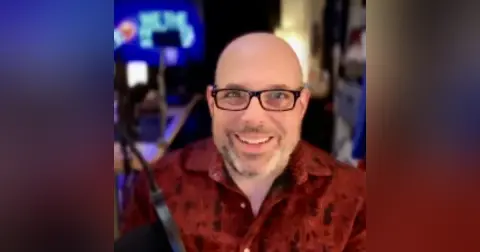
In the aftermath of the election, Dr. Hassaballa invited Matthew Zachary back on the show to discuss the results and where we go from here. His answers were surprising.
Guest information: www.matthewzachary.com
Hesham A. Hassaballa: This is Healthcare Musings. I'm your host, Dr. Hashem Hasabala. Welcome everybody to Healthcare Musing. So happy to have you with me. I am so delighted to have back on the show Mr. Matthew Zachary. He is a preeminent patient advocate, a cancer survivor. He has an an unbelievable story. wrote a fantastic book called We the Patients, that I read. That's amazing, that everyone should get. really, he's the he's the voice of the patient that cannot be Ever forgotten. I'm a I'm a clinician, I'm a healthcare professional. I take care of patients, and sometimes you get into the weeds of of everything with the healthcare system, and and and we sometimes, unfortunately, we'll forget the patient. He's here to make sure we never forget the patient. and that's why I really enjoy his work. I enjoy following him, and I wanted to have him back on the show now that the patients. I think have spoken in the election, wanted to get his take and where we go from here. So Matthew Zachary, so happy to have you. Welcome.
Matthew Zachary: Fancy meeting you here again.
Hesham A. Hassaballa: Right? Absolutely. So you kept saying that this is the year, 2026, is the year where the patients are going to go to the ballot box. what well, let me ask you, do did the did did patients lots of people had lots of things to say about with their votes. Do you think, or what's your take on did patients also show up at the ballot box?
Matthew Zachary: It's a nuanced answer. It's a yes and. Yes, they did, but they didn't know they showed up as patients. They showed up as angry voters whose healthcare got too expensive. And whether they identify as a patient having voted on that issue or not has never been tested before. But I will make the anecdotal claim that what was on the ballot this year was it's the economy stupid. And that broke down to three things. Fuel, food, and health care.
Hesham A. Hassaballa: So yeah, there's there's no question that that's the case. So I think I I didn't believe the polls. I thought, okay, you know, there'll there'll be a rebuke of the pr the current ad administration. I didn't think it would be like this.
Matthew Zachary: Mm.
Hesham A. Hassaballa: Where do you what do we do? I mean, I I I know what I'm pledging to do. What from your perspective is are your takeaways from the elector the election results?
Matthew Zachary: How Jewish should I answer this question?
Hesham A. Hassaballa: You be answering as mu as the way you need the way to answer it.
Matthew Zachary: I would say as captious cynicism, deep fried and I have no expectations.
Hesham A. Hassaballa: Really? Really?
Matthew Zachary: Yes.
Hesham A. Hassaballa: Why why is that?
Matthew Zachary: Because the lobby interests outweigh anyone elected in any seat.
Hesham A. Hassaballa: Okay. Tell me more about that.
Matthew Zachary: The lobby interests that are the ones that make or break and decide how elections get held, but how inner policies actually get entangled once people are in office. It's the worst evidence of citizens united on fire every day. As long as United Healthcare and the American Medical Association are people, we don't really have a chance to get anything done unless we figure out a better way to have political consequence where there isn't any right now. Because everything that's well intended always gets shot to shit.
Hesham A. Hassaballa: Okay. Don't you think that the resounding defeat of the current administration is the patient for is you don't do don't you think that that that's actually that the that the voters have spoken and now they're not going to they're not going to take no for an answer?
Matthew Zachary: I don't know if the data's out to substantiate my anecdotal knee-jerk reaction. Because everyone and their mother can do a poll on a survey and out y i it's not it's not a secret that everything's more expensive. And when everything's more expensive, healthcare is also more expensive. So I know that the diesel fuel thing probably fueled, pun intended, some of the last minute decision making, because that's that issue of the trekkers and the unions and people that make the country go or losing money because of diesel. Right? If diesel wasn't as big, but healthcare was still as terrible, would it have been different? No one's looking at that strategy that those exit polls don't take into those things into consideration as far as I'm aware.
Hesham A. Hassaballa: Right, right.
Matthew Zachary: I don't think people are voting. because their medication got decl denied. I think they're voting because they can't afford to just cover their family in general. The nuance of the things that cause the increase in prices are the stuff that patients don't really care about. We just don't want to go broke, get our meds, and be on our way. Like no one asks to be a client of American healthcare unless it's primary care. Normal stuff is normal stuff. I'm not that we throw that part away in a sense. It it's less terrible with the normal stuff. But from my vantage point, when you are living with a chronic disease, when you're employer based is determining whether you live or die Whether the government continues to allow malfeasance, that's that's perfectly legal to go on, when nonprofit hospitals can keep grifting low-income families by cheating on charity care. when these practices are nothing but C-SPAN popcorn theater, I don't think that's what people go to the polls for. That's not what people go and elect for. They elect on what matters to them on a day-to-day basis, right? And this the the the the the superficial scare tactics of, everyone's a communist and they're coming to kill your children and they're eating the pets. that that got so outweighed by the practicality of our wallets every day. Just to look at how much more expensive things got in the last four years makes the the the pandemic look like a like a like a like a a minor breeze. Right. That's what people were pissed off at. It wasn't as much that we were fed up with being lied to or drank different Kool-Aid. And I don't think it was as much of a rebuke against the administration. Like I'm voting blue because I'm now suddenly Democrat. It was like
Hesham A. Hassaballa: Right.
Matthew Zachary: this is the way less worse than it is right now. I'm just gonna go this way. So it's It's a mixed bag to interpret it as a true blue tsunami. Because no one like well, I don't care about trans anymore. that that didn't happen, but the the needs of the few outweighed the needs of the many.
Hesham A. Hassaballa: Okay. Okay. So I know for me, I'm gonna be much more active and engaged with my own member of Congress. I'm gonna be calling them more often, I'm gonna be writing more often, telling them what I want. I feel like we have we don't do that enough. And I also think that the worst of HR one, the big, beautiful bill or ugly bill, the worst haven't kicked in yet. They I did it on by di by by design. Exactly. By design.
Matthew Zachary: God, yeah. No, it kicks in in January. Yeah.
Hesham A. Hassaballa: Like hospital systems, I know I speak to hospital system executives all the time. They're bracing for hundreds, hundreds of millions of dollars in revenue loss that they're trying to figure out that might now
Matthew Zachary: Right.
Hesham A. Hassaballa: be reversed. Maybe, right? Don't I mean
Matthew Zachary: Well we'll we'll see what they can get away with to put the toothpaste back in the tube before the toothpaste leaves the tube. But rest assured it's gonna get worse and they're gonna blame the Democrats.
Hesham A. Hassaballa: Well, yeah, because well, if they if they don't act then then they own it, right?
Matthew Zachary: Right.
Hesham A. Hassaballa: but I don't you think this time around the voters are not just they they made a statement, but they're now they're gonna demand action. They're gonna demand action, not just words.
Matthew Zachary: Well here here yeah, every again, yes and, and I wrote this in my book and we talked about this on my show and why I talk about this all the time. Is just because you have moral interests in telling your elected official what you like doesn't mean they give a shit about who you are because they don't feel threatened by your civic power, if you have any at all. This country is run by lobby groups, by PACs, and by constituencies. That's the only thing that drives money in power in this country. And and Hoping that your hill day does something just because your pr your state's blue now doesn't change anything. in Narnia. I'll put it that way, right? You
Hesham A. Hassaballa: Right.
Matthew Zachary: know, Narnia is still gonna Narnia, and just because you're outside the little, you know, the the wardrobe, it doesn't matter. So I wanna take this very oppositional, cynical perspective of prove me wrong, because no one else does. It's not hippy dippy, it's not blue sky, it's not everything's rainbows now because it's blue. It's what is the missing constituency in American politics right now. Because we're still gonna have oil and gas, we're still gonna have the gun lobby, we're still gonna have pharma, we're still gonna have farmers, we're still gonna have voter veterans and teachers, and we're all gonna know who the constituencies are that exert political power, right? And patients don't exert political power. We may have accidentally demonstrated that we have a s we finally found a common issue, which is affordability, but it wasn't just all about health care, right? So I'm hellbent on this theory that patients could be the next great political constituency. And from that vantage point, then the interests that are within the patient rights universe, you know, affordable care. market access, you know, delay deny, killing us on hold, transparency, better employer-based on fuckery. That won't move until those interests that are doing all the moral things against big lobby, right, have political power. So I'm leaning on the side of caution. Because yes, just because they can do b reconciliation with fifty one votes in January second 'cause Bernie says so, we'll see what happens. I don't like the immediate idea of Medicare for All, which is his turn, right?
Hesham A. Hassaballa: I wanna I wanna talk I wanna talk to you about that. I wanna s if we're talking about access, why don't you like Medicare for all?
Matthew Zachary: I don't it's not that I don't like it. I don't think you can flip a switch. Like Brexit, right? It's gonna be another Brexit model. Because no one knows what the hell to do. And between everyone wanting cash pay and free kids to 17 and less doctors killing themselves, and I don't even I'm not smart enough to understand the steerage of the Titanic levels of bullshit that live in the deep fried yarn ball. I keep making metaphors of all the things that live in middle earth. So my gut check is that you can't just flip a switch. You're gonna wind up with Brexit and people are gonna get hurt. And in the worst case scenario, fine, United Healthcare works for the government and they do everything. And is that better or worse? And how does that really work? And who's gonna get, tossed in the pine barrens with the sopranos because this is gonna really happen? So a and as much as it's fun to say and I've heard this anecdotally, it's trillions of trillions less to do it this way, great. Show me the numbers. Show me how it works. Show me the harm reduction. Show me the transactions and to Cuban's point. Show me the incentives, right? Show me the way that they rearrange the dectures on the QE too. I wanna go in as a patient cynic because everyone's gonna make a decision for us, but not with us. And that's the biggest issue right now.
Hesham A. Hassaballa: Okay, okay. Well, if I think they're gonna I think they're I I think I agree with you that the say they just turn on and they give everybody a Medicare policy, that's so disruptive. They're doing iterative changes like maybe lowering the eligibility age, maybe well, okay. I'm I'm fifty two. If they say now people fifty or older can buy into Medicare, I I don't know that I Knowing Medicare and working with Medicare and seeing, I don't know I would just drop my employer insurance, even though I'm I have issues with my employer insurance. I don't know I just drop it and buy Medicare, buy into Medicare as a 52-year-old. Then what do I do with my family? My my my other members of my family who aren't 52? Do they come along with me? Yeah.
Matthew Zachary: Right. And then they're gonna make you buy the Part D or the Medicare Advantage and get grifted just all again. It's the vicious cycle. There's no accountability, there's no transparency, there's no protections. If anything, Liz Warren should be like drooling at bringing back the sumer protection bureau and thinking about healthcare's
Hesham A. Hassaballa: Right.
Matthew Zachary: infrastructure first. Let's build the safer roads and tunnels before we give everyone access to drive over them.
Hesham A. Hassaballa: That's fair. That's fair. Don't you but don't you th well, I mean there's there's there's there's a lot of things here. In other places that have universal health care, their taxes are a lot higher than ours. A lot higher, right?
Matthew Zachary: Mm-hmm. Right, and those societies actually are we, not me.
Hesham A. Hassaballa: Which is un which is un-Americ un American, meaning that it we rather than me, we we've never
Matthew Zachary: Yeah, it's un American to me. Yes, un American. It's me the people, not we the people here.
Hesham A. Hassaballa: it's me the it's me the people, right? Exactly. Those societies are I you're right, they are more we than me. That's that's just not way the way we we've never been we. Like it's never happened, right? For a little
Matthew Zachary: No. Well, nine eleven we were a wee for a little while. That's about it.
Hesham A. Hassaballa: bit, but but that's when you have an existential like when people are all
Matthew Zachary: Yeah.
Hesham A. Hassaballa: scared, then it's we. were we I don't think even we were we during COVID or
Matthew Zachary: No, we were not we during COVID. We were not. No. It was everyone
Hesham A. Hassaballa: Right. We were I we were not at all.
Matthew Zachary: fenfering themselves on going to the beach, COVID.
Hesham A. Hassaballa: Right. so you're gonna have to pay a lot more in taxes. You're gonna have to change the culture of of a of America and make it we, which I don't I can't ever see that happening. And there is there it's there is going to be things that are going to that you that people are just gonna have to say no.
Matthew Zachary: But no, you're also forgetting not forgetting, you're not forgetting, but lest lest we not discredit the fact that more than half the country gets healthcare from an employer.
Hesham A. Hassaballa: Mm-hmm.
Matthew Zachary: How do you what does that turd look like when you polish it?
Hesham A. Hassaballa: Well, yeah, if there is a cheaper option, what I see employers doing is to say their employees, you're gonna here, you're gonna you we're gonna stop paying for your healthcare and
Matthew Zachary: Uh-huh.
Hesham A. Hassaballa: you guys can go and get Medicare from the government. I mean, that'll be a huge cost savings for employers. I've talked to a healthcare executive who used to be with pr with used to be on the on the payer side. He said that the the way it The amount of money that employers are spending on healthcare to subsidize healthcare for their employees puts American companies at a competitive disad disadvantage. Other
Matthew Zachary: Yeah.
Hesham A. Hassaballa: companies don't have that cost center. I mean, I'm paying and I'm paying more next year. I'm paying probably eight, nine percent higher next year for my premiums. It's a lot. And my
Matthew Zachary: Yeah.
Hesham A. Hassaballa: employer is paying a huge chunk of that, right? And and so, Employers, I think if they bring it, I think employers are gonna force the hand of these private pay because they're gonna say we're just gonna stop paying for it. You guys have here here's Medicare. I don't care that it's not as good as United or Cygna or Aetna or Humana or Blue Cross for Shield.
Matthew Zachary: there there's this scene in Anchorman where he jumped into the pit with the bears and he says, I immediately r I immediately regret this decision.
Hesham A. Hassaballa: Ha ha ha.
Matthew Zachary: I that's how I'm envisioning this happening. Like and it's also like the Jeff Goldblum, just because you could doesn't mean you should.
Hesham A. Hassaballa: Right, right.
Matthew Zachary: think it through first, do a pilot, what does it really mean? Crunch the math. Get some smart people to actually do the job this time, right? I i I'm not opposed to it. I say don't Brexit ourselves.
Hesham A. Hassaballa: Mm-hmm. Yeah, because I
Matthew Zachary: just because it's a shiny object and it's this beautiful beacon on the hill and there's this socialist catnip for Gen X, Gen Z, right? I you could be causing more harm than good by doing this the wrong way because you think you can. I like the concept of easing it in. Fine, bring Medicare. to 60, right? Just take it down to five years, right? See what happens what to the the when the Gen Xers turn 60, right? Like that's the milestone here. Like when you if you were what whatever that I can't do math on my head. I'm 53, 74. All right. So if you were born in 1968 and you'll be 60 in 2028, start it in 2028, see when the Gen Xer turns 60 What happens, right? And would we want to be ready to retire or stay working for five more years? Right. Run the health economics. I I'm making this up. I'm no expert. Don't listen to me. I'm just speaking for the reads at this point now.
Hesham A. Hassaballa: Right.
Matthew Zachary: Just to come full circle, is this will all be decided on behalf of the people it was never designed for anyway.
Hesham A. Hassaballa: Right, right. Well well, yeah. I think that that's a good that's a good plan. I think I that makes that makes sense. I like how you say don't because Brexit, once they made a decision, it's that's it. You can't go back
Matthew Zachary: Yeah. No.
Hesham A. Hassaballa: and and you you can have all the buyer's remorse you want. It's how did that no, that's no, that's
Matthew Zachary: Yeah, how'd that go?
Hesham A. Hassaballa: that's true. Don't you think well, what they're saying is You're gonna have you don't have to worry about prior authorization. You don't have to worry about denials. You don't have to worry about we can just you just go, you get the care you want and you move on. Isn't that great? Isn't that what you've been advocating for for thirty years?
Matthew Zachary: Look, if they had any wits about them, and I'm not convinced they do, maybe Budegez, but he's not elected anymore. He's the only one I trust in the entire universe at
Hesham A. Hassaballa: Okay.
Matthew Zachary: this point. He's like a smart guy. Right? John Stewart and Pete Buddhaj, you guys should just run everything, right? I don't care.
Hesham A. Hassaballa: You
Matthew Zachary: Osof, I think, is pretty cool too. He's a normal human.
Hesham A. Hassaballa: Yeah.
Matthew Zachary: It's Gen Xer. Finally, Gen Xer. He's got some clout
Hesham A. Hassaballa: Ha ha ha.
Matthew Zachary: in the government, right? It's it's you need to convene the right people. You can't just create like the it's the Federal budget, healthcare, transition, oversight, steering committees, subcommittee, committee, right? And then you forget like, Matt should be there. Who's Matt? Right? Like rhetorically. Like where are the Loraxes
Hesham A. Hassaballa: Right, right, right.
Matthew Zachary: in the room that have political power? Because nothing it's just gonna be, prove me wrong again, the same shit it was 130 years ago when like the American Medical Association said, no. We don't want this, and they're the enemy of the state because of all the shit that they've done to make this a mess. Right? They have been the the quietest accomplice to why it sucks today than any professional society in American history.
Hesham A. Hassaballa: Why do you say that?
Matthew Zachary: Because they were the ones that opposed universal healthcare for 80 years.
Hesham A. Hassaballa: That's true. That's true. It di it did come out against it as a huh, go ahead.
Matthew Zachary: And and they are despised by anyone that isn't a part of them for a reason. And they're getting sued for three hundred million dollars for their grifting of CPT codes. And they turned a blind eye to medical suicide and burnout and administrative burden. And they won't challenge any efforts on the part of physician groups and trade groups to appease and abet moral injury. They're a lip service organization, and I have that as my hot take on the AMA. And I'm curious to see where they will live in their lobby efforts to. squelch this at the same time. 'Cause no one votes for the AMA. They just are.
Hesham A. Hassaballa: No, no. No no one votes for the AMA. I I I remember when the when their during the the the negotiations, unless I got, you know, their spin, during when the negotiation for the Affordable Care Act, I think the AMA mitigated the damage done to docs. I mean, let me give you perspective from a from a practice perspective.
Matthew Zachary: No, please do, yes.
Hesham A. Hassaballa: If if like Medicare doesn't pay enough. It it just it does it does not. If you're looking at a sustainability of a private practice, I I can't stand how they talk about greed. You're talking about sustainability for a private practice. And I was in private practice for seven years before switching to an employed model. Every year a reimbursement went down. Every year. But the staff salaries didn't go down, the electricity didn't go down, our supplies didn't go down. the the the equ the equipment didn't go down, but the reimbursement went down, the r the revenue went down. So what what docs did in private practice is they just worked harder. Make the same amount of money. And I did the same thing. I saw more people. I went to nursing homes where I didn't do it before, just to keep my income the same. At some point, it becomes not sustainable.
Matthew Zachary: Right.
Hesham A. Hassaballa: At some point, you're just like, I can't do this anymore. It's it's a it's a business, and I can't, it's not sustainable. So every time and they keep cutting physician reimbursement every single year because of this formula. And so you're gonna either you're gonna throw in a towel and become an employee. Or you're just gonna stop seeing Medicare patients because it doesn't make financial sense.
Matthew Zachary: Well, I the I I might have mentioned this on the other show. I'm involved in that burnout documentary, Suck it up Buttercup with Mark Cuban and Mendo
Hesham A. Hassaballa: Yes, yes.
Matthew Zachary: Potter. I've you know, I I live and breathe in that space 'cause everyone's re everyone that sees it's like holy shit. Like and yeah, it is a deep cut against private equity and insurance and the AMA. I didn't realize how despised they were from the people that just until I got soaked in In this other part of the swimming pool in American healthcare, right? So as a patient who would have no need to understand what the hell they do and why they matter, because all I want to do is not go broke and not die, right? That's my goal, right? We are
Hesham A. Hassaballa: Right, right, yeah. Exactly.
Matthew Zachary: we are just the mere exhaust fumes in the trunk of American healthcare. We have no say, right? That is all we are. We are but
Hesham A. Hassaballa: That makes me so sad for you to say that. That really does.
Matthew Zachary: It's how it is, right? It wasn't built for us. We're not the end user. We're not the customer. Everyone makes decisions on our behalf. We're never at the table. We have no political power. We're just there on the receiving end of someone else making money off of us. And hopefully we don't go broke and we don't die. But it's a fucking crapshoot every day, right? We have no choice, no say, no power. But by getting involved in the burnout world, in this moral injury world. And as much as it's cute to say, if I need a neurosurgeon, I'd rather them not want to kill themselves. Why do they want to kill themselves? And how is supposedly the most influential medical trade group in American history not doing something about this politically? Right? prove me wrong. Show me what you're actually doing. Your stupid fucking website says bullshit about this and it angers me and it angers the rest of the Loraxes.
Hesham A. Hassaballa: Mm-hmm. Mm-hmm. I'm they c they claim to be working hard at it and trying to reduce administrative burdens and they're trying to
Matthew Zachary: Well, I like John White. I knew him at WebMD. I hope he's maybe steering the ship. If he's listening, hey John, give me a call.
Hesham A. Hassaballa: Yeah, maybe maybe I'll have John White on to to kinda see to to if he'll if he'll come and talk to me.
Matthew Zachary: I I feel bad for him. I really liked him. He did a great job at WMG until they got acquired, which is why he left. But I think I don't know if the AMA was right for him. Hot take, my choice. I like the guy. I had nothing against him. Curious if he's going to help them turn the tide a bit and change their reputational capital.
Hesham A. Hassaballa: I you are I'm just anecdotally, I've talked to a lot of cook docs on in private practice and they're they they share your revulsion of the AMA.
Matthew Zachary: Yeah. So and and and now every patient has a revulsion of the AMA. But we would why
Hesham A. Hassaballa: Ha ha ha.
Matthew Zachary: would we even need to know they exist? Again, we just want to not go broke and not die.
Hesham A. Hassaballa: Right, right. yeah, yeah. I I I thought that they mitigated the the damage w in the that was my perspective when when the whole ACA was being negotiated. And we we there's I mean there's a lot of things that have to change in America and American healthcare, for it to become more like Europe. And I don't know that that's even American. I mean I I just don't know it's it's gonna ha ever happen in the in our cultural context.
Matthew Zachary: Well again, I think if we walk in the door believing it never will, it could. And hope doesn't matter when you can't vote on something.
Hesham A. Hassaballa: Yeah. Yeah. What are you doing? Okay, now what are you doing now other than the burnout space, which I which I really appreciate you doing? That's great that you're supporting the clinicians at the bedside. it's it's a tra it's a it's a tragedy that it's a tragedy when a patient dies. It's a tragedy when a clinician dies, especially by suicide. What what are what are what are you doing now to to keep the eye on the prize, to keep the eyes on the ball?
Matthew Zachary: I let me let me think how the how best to answer that question because you know I can answer it eighty seven different ways. We've reached a moment in, I would say, socio-political theater, where we're still worshiping the guy that murdered the CEO of an insurance company. Right? We're worshiping Luigi Mangion has a fan book, a fan club, a legal defense fund. He's in the news all the time. He's really good looking, right? He pled guilty and he's still an anti-hero. The
Hesham A. Hassaballa: Which is disturbed, which is disturbing to be quite honest.
Matthew Zachary: It's disturbing, but it's telling. And it speaks to the fact that the country is in pain. But patients, caregivers, families, anyone who is living inside the American healthcare system mostly hates it when they have to use it. Right? I'll add that second part to it. If it's you don't need it, you know, my car's fine, it's 60,000 miles, the tires to work, the brakes still stops. Why do we need a mechanic? Right? Fine. That's great. But when you get to the mechanic and they say all this shit's wrong and I'm gonna charge you twenty billion dollars, out of warranty. So I look at this as an opportunity to be very perspicacious, in my fancy SAT word of the day. On Who's gonna start listening to the people who the system wasn't designed for? And I don't just mean like biotech and pharma and health systems and patient experience and patient stories. Fuck that. That shit doesn't work anymore. That has sailed, right? What's important to me and what I believe I want my narrative to be for the country is patients don't need to organize. No longer sharing our stories. Let's stop going to the hill. Let's stop hoping they do the right thing because we ask. And they understand that if they don't, then we'll get elected. And if is any telltale sign to interpret that this blue wave was healthcare-ish, but cost driven? Everyone's gotta watch their back. Not murder. Just like p politically. I should murder bed. Yeah.
Hesham A. Hassaballa: Politically. Well, but then that means no, no, murder is bad. Murder is wrong. of course it's disturbing that he's a hero, that the the murder Luigi Mangioni is a hero. Very
Matthew Zachary: Yes, absolutely.
Hesham A. Hassaballa: disturbing. and that that's why I think I think we need to be more eng I like I gotta stop being lazy and I gotta pick up the phone and call my congressman if I want if I want like my congressman it's a congresswoman now. to know what I feel about this. And I think we don't do enough of that. And I think I think we have to start, right? And let them know what what we feel. Don't you think?
Matthew Zachary: Yes yes and right that's the name of the show. It's Yes End with Matthew Zachary. That's the name of the show. I
Hesham A. Hassaballa: Yes. Yes, Ann. Maybe you know what? Maybe maybe that'll be the title.
Matthew Zachary: I've come to understand much to the chagrin of my LinkedIn tech yeah, chick check boxes and skill sets, the difference between community and constituency. And communities Are like surveys, and we know how people feel, and everyone has their single interest, and it's Parkinson's, not versus endometriosis, not versus clean water, not versus asthma pricing spikes, not versus this versus burnout. It doesn't matter. The problem is they're all fence posts, they're all these vertical fence posts, and there's nothing wrong with that because when you fall downhill. One of those posts will catch you and help you. Right? When you go off the cliff, when they fall off the waterfall, when you someone's gonna be there to help you. You need the infrastructure. The the the vertical posts of the fence work. But it's that latch across the horizontal of the fence.
Hesham A. Hassaballa: Mm-hmm.
Matthew Zachary: Like the non-picket part, the horizontal part. That is a constituency. That is a single-minded glue that connects. ideologies and interests across all verticals. Constituencies are about how a group behaves politically against its own independent interests. And yes, we say common threads are nice, but polling and constituencies are science, not sociology. And I'm not convinced that our elected officials realize that there's a sleeping giant in plain sight, which is that there will be an American patient constituency. To live in the same political power categories as the NRA, as AARP, as the Farmers Union, as the American Chemistry Council, and as PHRMA. It's going to happen, it's going to exist. And only then when you call your senator and say, I care about this, and I'm a member of We the Patience.
Hesham A. Hassaballa: Right. And that's what you're building. You're you're building
Matthew Zachary: Yes.
Hesham A. Hassaballa: the we, you're building the we the patient's constituency because it's your experience is different than my experience, it's different than her experience, it's different than his experience. right? You're a brain cancer survivor, this may be a breast cancer survivor, that may be a sepsis survivor. what do you all have in common? Every single patient experience is different. What what is the common If you were to create today, smap your fingers and create a we the patient's constituency, what is your, what would be your clarion call?
Matthew Zachary: Well, the constituency is scientific white papers. It's that's it's a very straightforward science. You make the white papers, you do the independent polling, you get the you get the common threads. They call it a signal. It's a common thread signal across think about it like a s like a random random trial, right? You don't know what it is, it's double blind. That's how polling works. You don't care who they are, you don't care what the answer is, you just get the answers, you ask the right question, and someone else takes that data and they say, We're gonna use this to give us political power. In the in the in the let's say in the interest of I don't think there's any legislation in the burnout world right now, but let's say there was, right? Mandatory or like let's say that there's a law that says, I'm gonna say this maybe the wrong way, that state licensure shall not be stigmatized based on your mental health. Right?
Hesham A. Hassaballa: Okay, right.
Matthew Zachary: There's no law that bans that. They can still fuck you over if you're on Xanax or whatever, right?
Hesham A. Hassaballa: Well well I have to I have to disclose if I have any mental or physical health I have to disclose
Matthew Zachary: Yeah. So let
Hesham A. Hassaballa: that.
Matthew Zachary: right so fuck that. You're entitled to not kill yourself on medication and therapy. And they shouldn't judge you by that 'cause I don't want you to be suicidal because you don't want to go on medicines 'cause you're afraid of getting relicensed. Right. So let's say there's a law or a bill or a proposal that says prop go fuck yourself says that starting next year in in Wisconsin The licensed boards have no say that disclosure is required, right? You can introduce that. You can say, hey, we want this, but if you had the political power of the patient constituency based on our data, then they would listen to you. That would sail through the state house in a tenth of time. Because who are you fighting up against? Who's the lobby group that doesn't want that? Probably the AMA.
Hesham A. Hassaballa: Or the hospitals.
Matthew Zachary: So, yeah, so that's a scenario where I would be the research institute that creates the poll that creates the white paper. Let's say we call it the American Patient Index, is the index, right? You then say, my God, I'm gonna start organizing physicians on the Go Fuck You Act. Right. All right. And you're gonna introduce the go fuck you bill into Wisconsin with your civic power that you didn't have beforehand, but you're bringing the We the Patients lobby group that you would be a part of. That isn't me, that's you, right? You create the lobby group from the We the Patients index, then you get power. Right? That's how that serves your interest. The same thing goes
Hesham A. Hassaballa: Just that the
Matthew Zachary: for like a good example is Oncopertility reimbursement for young adults with cancer. Iatrogenics, right? Let's go into that space. Non-medically necessary things that are morally responsible, right? Like iatrogenics, right? It's taken 20 years, and I was a part of this at the start, to get as many employers as possible to cover oocyte preservation, sperm banking, cryo preservation, and a cycle for any employee under 40 who gets cancer and is rendered infertile. Right? By
Hesham A. Hassaballa: By the chemotherapy, right.
Matthew Zachary: the chemotherapy whatever by orchiectomies or hysteric whatever it
Hesham A. Hassaballa: Right, sure.
Matthew Zachary: is, breast cancer. You know, the closest we came to this is Debbie Watson and Schultz passed the early act as a pork belly after Trump ratified the something in twenty sixteen, which mand mandated that any woman gets re reconstruction for free for the rest of her life if she's a young adult. Restoring femininity based on astrogenic recompense. The fertility space has been riddled with fuckery because of toxic masculinity and that the mostly the women fighting for these entitlements, that I got I got breast cancer at 23, I can never have a baby. I shouldn't have to be forced to go through the stigma of adoption and surrogacy. Let me be a biological parent. Right. I think less than 11 states now cover this after 20 years. Eleven states. But if there was a patient The ovary lobby. If the ovary
Hesham A. Hassaballa: Right.
Matthew Zachary: lobby of the we the patient's index formed from our independent data, they can go to every state at once and say, Fuck you, we represent forty percent of every district as the we the patient's ovary lobby, right? And they would get
Hesham A. Hassaballa: Right.
Matthew Zachary: that. This is all economic theory, but that's the political power that doesn't exist right now just because you tell your senator or your congressman or your mayor, I care about this, unless you're just saying hey, I live here, I'd like the state to be a little cleaner. That's different.
Hesham A. Hassaballa: That's right. Okay. that's a
Matthew Zachary: That was a lot of exposition, but I gotta I'm glad we got it on tape.
Hesham A. Hassaballa: Yeah, no, no. that's that's you you're you're trying to build that that can that can constituency. just to think about just disclosure, I just I think as someone who's credentialed physicians, I think we also make to make sure that the person's not impaired. Right. It's one thing if you're you have a medical condition that you need to be take care of, I also have to protect patient protect you from an impaired physician, someone who
Matthew Zachary: Mm-hmm.
Hesham A. Hassaballa: may not necessarily yeah. Okay, suicidal. We don't want anyone to be suicidal. I also have to make sure that the surgeon operating on your brain or your back or your chest or is not impaired. So I
Matthew Zachary: Right.
Hesham A. Hassaballa: think there is a there is an interest to protect the pay the patient. Yes, don't you think? I I have to make sure that the that the physician is not impaired to protect you.
Matthew Zachary: Yeah, I I I I said this in the Mark Cuban documentary. I said this I think and I said it before. Like if I need a neurosurgeon to cure me of brain cancer, I'd like this to not be suicidal, right? So yes,
Hesham A. Hassaballa: Mm-hmm. Mm-hmm.
Matthew Zachary: should there be oversight? Of course. Everyone gets everyone gets relicensed. My wife's a speech therapist. Every year she gets relicensed, right?
Hesham A. Hassaballa: Yeah.
Matthew Zachary: But should there be modernization of the oversight of that process for the 21st century? Yes, there should. Will it happen without political power? No.
Hesham A. Hassaballa: And I think that yeah, I think we just have to we just have to build that political power. And that's and that's I guess where it's building that that that that constituency. That's a very that's a very interesting perspective. Before we go, wanted to see how you are doing. I know I saw your post that about an MRI, MRI day. How are things going with you?
Matthew Zachary: spoiler alert
Hesham A. Hassaballa: Ha ha ha.
Matthew Zachary: The rumors of my death have been greatly exaggerated.
Hesham A. Hassaballa: Good. I'm good happy to hear that. How are you I s saw the concert went really well. Are you playing still? Are you
Matthew Zachary: I consider that one of my greatest days. launching the book at Lincoln Center, retraining myself for six months, and getting up in front of 500 people and delivering a two-hour concert, you know, was just like yeah. I it it's full reclamation. I'm very proud of myself. I'm very proud of everything that happened that day. to launch a book in such a matte way. No one else would really think about doing. I'm I'm through it. My daughter plays piano. I we we play all the time together. I teach her stuff. it'll never not be part of my world. If I could just quit my job and retire and play piano, I would do that. So
Hesham A. Hassaballa: Yeah.
Matthew Zachary: any Medici families out there listening to this show, I'm at your disposal.
Hesham A. Hassaballa: Fantastic. That's fantastic. And I was very happy for you. I was really happy for you. I know how much that that meant to you and what it meant to do it at that moment after everything you've gone through. So I was really happy. Matthew Zachary, thank you for fighting the good fight on behalf of the patient. Really, I'm that's why I'm here. I'm here for the patient. And I know that you're trying to make sure that the patient's voice is not drowned out. And so I as a clinician, as a physician, I thank you for all that you do. Best of luck and I'll see you around. We'll be in touch.
Matthew Zachary: And in case it doesn't need to be said again, thank you for your service to patience.
Hesham A. Hassaballa: I appreciate you. It's it's it's it's it's really an honor. Matthew Zachary, take care. Thanks everybody for your for for for for tuning in today. Take care. Thanks for listening. Healthcare Musings is a production of FaithfulWord Media. Sign up at drhasabala.com to get every episode delivered directly to your inbox. And please don't forget to give the show a five-star review. Thanks so much.