AI in Revenue Cycle: Why Terry Cameron is Optimistic



 RSS Feed
 AI is increasingly being used in revenue cycle. Providers are using AI to code better, and payers are using AI to adjudicate claims and issue denials. An "AI arms race" seems to be ensuing.
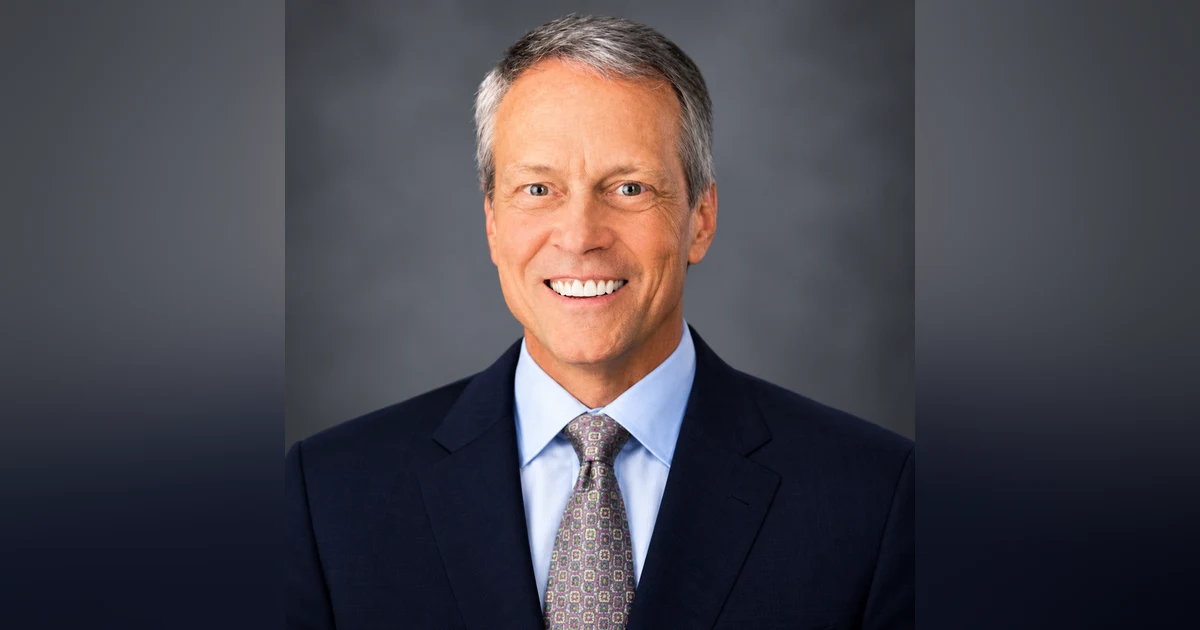
Terry Cameron, former CEO of Sound Advisory Services, is optimistic about the increasing use of AI in revenue cycle. I, however, am not so optimistic as he is.
In this episode of the Healthcare Musings podcast, we discuss this divergence of opinions.
This episode is sponsored by Buttermilk Cafe in Downers Grove, IL.
Hesham A. Hassaballa: This is Healthcare Musings. I'm your host, Dr. Hashem Hasabala. Welcome everybody Healthcare Musings. happy to have you with me. So I this is our first episode that is sponsored. So we are sponsored this show, this episode is sponsored by Buttermilk Cafe in Downers Grove, Illinois. It's a fantastic cafe where you can have breakfast and lunch. Me and my family come here all the time. Great food, great people, great service. it's awesome. They have I'm I'm having an omelet right now. It's amazing, humongous, the way I like it. With and good good pancakes, good stuff. It's a great place. Definitely come out and and see and and check it out and come with your family, have breakfast, Buttermilk Cafe in down in Grove, Illinois. So they're they're the the sponsor to for this show. And thanks so much for their for for their sponsorship. I am honored to have Mr. Terry Cameron. He is a longtime friend of mine. I've been working with him at Sound Advisory Services for years and years. he was the he's the ex officio, he's the the the recent CEO of the advisory service line for sound. He recently left sound to pursue other endeavors and I am honored to have him on the show. So Terry, welcome. Thank you. So happy to have you. Thanks. So I wanted to talk to him because he's uniquely positioned to talk about AI you know, a lot a theme of the show is AI and how AI is is affecting The business of medicine. And the one thing, especially in, I think there's going to be an AI pay or an arms race between payers and providers. I hate the word provider, but there's no other way to say it. Hospitals and doctors. I think that it seems like there's going to be the battle of the box that the providers are using AI to try to combat denials, and the payers are using AI to combat the combating and and to and to deny. And so It it seems like I I think it I think my job as an appeal writer or physician advisor could be going away by I could see it being replaced by AI. I refuse to use AI to write my appeal levels. I do use it to summarize the hospital records because it's just easier to do it. It's faster and more efficient. And I still write the letter myself using my clinical judgment, but I could definitely see an AI bot replacing a physician advisor who writes an appeal letter. But what what what what your sense is, given your what your where you've seen and you've been in the business for a long time. about where AI is gonna what's AI gonna do to the pr payer provider dynamic. Yeah, yeah, no, it's it's an interesting question. And I I think I was telling you earlier that I've spoken before Congress on this very issue around the policing on both sides of the equation here and the multi billion dollars of That is spent by providers and by payers, right? you know, trying to what they believe they've they built organizations to essentially ensure that payment integrity, right, is there for for both sides. And ultimately, it probably doesn't protect the patient, right? And the patient is caught in the middle of the the whole equation. And that policing is billions of dollars, right? So even The most conservative estimate, somewhere around fifty billion dollars, is spent by both the payer and the provider policing each other. Fifty billion dollars. Fifty billion dollars. You know, some estimates are upwards of two hundred billion dollars spent to do that. And my my sense, I'm probably more optimistic than you are, right? I'm not in the trenches every day, I'm not there sort of you know, talking to provider medic payer medical directors and you know trying to argue why they should be paying a a p a specific claim. But in in the hands the AI in the hands of per providers at this point, and prov payers have had that for a long time, right? They've been able to utilize that to deny claims, to automate their processes and you know, be able to then put things in place to ensure that the integrity is correct, right? And I'm more optimistic about AI in the hands of providers creating transparency, right? Creating the ability to know and understand. Payers have had the advantage of the longitudinal record. They've had the advantage of you know, kind of having black box of understanding of of sort of the the the payer dynamics and benefits and all of that that really providers don't have the benefit of. And so I'm optimistic that AI will enable providers to sort of have the data that they need and be able to make that transparent to payers and ultimately bring together payers and providers, right, for the good of of it, rather than continuing the arms race and policing each other. That's that's my view at this point. Okay. You're I you are more optimistic than than I am. I I I had Jeff Alter, the CEO, sound he also thinks payers and providers need to be better work more together. The system is inherently at adversarial. You know, we want the money because we did the work and the payers want to keep the I mean if you're trying to make a profit, then you gotta by definition you have to cut your costs. So and we are their cost, right? We're the number one cost. So Like I I I'm not as optimistic and you know the patients now are pissed. I I had Matt I had Matthew Zachary on, he's patient advocate and he's saying twenty twenty six is the year of the patient who's gonna who are gonna vote. They're angry. They're angry at the system that that you're saying the patients in the middle, yeah, right? But how what what is I when you say AI will help the p provider, how? I I think you had mentioned something. H how how could an AI system help a provider with with respect to pay or the buyer? Right. Yeah. No, I think that AI sort of has the potential, you know. Thirty years ago I spoke before Congress on fraud, waste, and abuse and why, you know, what could be done about it and how we could make it an American Express transaction rather than and payment an American Express transaction. Tell me more about that. It's very interesting. Right, as opposed to and that The ultimately my point then and my point now is really largely around you know, making sure that things are done upfront, further up in the process, right? Make sure you understand the rules, make sure you have the rules, and make sure then that you're following the rules to get paid, right? And if those things are there, providers by and large are not intentionally trying to gain the system. It's a lack of understanding of what the rules are and The multitude of payers who have different rules. And so ultimately, if that can come together somewhat, right? And not have it be adversarial, but but you can understand that better. I think the only way for that to happen is for providers to have a better sense of what's really going on. And AI provides them the tool set to, I think, do that very quickly, right? They can understand. how payers are interacting and dis determine what denials are happening and then have conversations around how they can partner with payers in order to drive the ad administrative burden out of the system. That's my hope as as we go through this. The problem is the payers don't always follow the rule. Like the payers say that like the payers won't even follow their own contracts. Right, right. Like it you know, I I I speak to people in the industry and they're saying We're telling payers, look at your contract with the pr with the with the payer, whatever it is, name a name. And they don't even follow the rule. It's in the contract you this is supposed to be paid here, and they don't even follow it. Right. And then the denials seem arbitrary. And then when you when you when you appeal, they don't even respond. A lot times they don't even respond to you. They don't even give you the they don't even give you the courtesy of a letter. And I called it out on a on my podcast before. And now I started seeing the boxing. now Now I notice after I called them out, maybe I hope it's me, I don't know, but that now I'm studying getting more letters, just explaining, and it doesn't even seem that they've read my my appeal letter. They're just the same thing over and over again. So But that's my point. You're sort of making my point, right? In that I think at this point providers lack the ability to have that information holistically to go back to payers and and sort of make that transparent. keeping again the patient not in the middle, but the patient at the center of what we're trying to solve here, which is reducing the administrative burden. And that AI has, I think, the potential for providers to have that data and be able to then present that in the right way to payers who do have the capability and the technology to make a bulk of the transactions very American Express like transactions, right? If they want to, right? They have the capability and the technology to enable that. And I think your point's valid though, that they're not always following their own black box rules. but also it's hard for providers to see that in the current midst of all of the data without AI there. That's that's sort of what I'm hopeful that brings that to transparency. So it's more than just writing letters, it's it's really data. It's really data data data analytics. Whoever has the data wins the game, right? I mean that's ultimately, you know, kind of been a long-term saying, right? And and I do believe that AI levels that playing field for both sides, right? It becomes a lot less a lot harder to sort of you know, have a black box when you have AI that is able to see what the adjudication looks like over time and see the inconsistencies. and determine and be able to present that back and create transparency. Create transparency. But isn't that proprietary on the part of the payers? I mean, aren't they gonna try to protect their their protect their black their their black boxes? Well, at some point I think I think the the other thing that becomes a problem here, right, is that the lack of trust, right, on on both sides of the equation. The lack of trust is and there's a there's it's not it doesn't come out of nowhere, right? No, I think that's a good point. I mean, listen, I think there's been thirty years, right, or better, more than thirty years, but thirty years since I've been involved in it, where there is a lack of trust, right? There's a a lack of transparency. And I think, you know, i i again, I it's my altruistic view that AI at least helps enable that for providers in a very different way than what they've had in the past in terms of tool sets to to do this. And that the policing on both sides isn't really sort of benefiting the patient to your point, right? And patients are upset, right? and I have example right now of a claim that's been going on for two years in my family that was billed incorrectly and I continue to get a ten thousand dollar bill for something that was that was billed incorrectly. I think even for somebody like me, it's hard to really sort of engage with the payer provider to bring them together to say, hey, this is wrong, right? It was coded wrong. It didn't get resubmitted. And it's very, very difficult. But per the patients are the ones caught in the middle. And if we can sort of keep that in mind and bring pilots together to enable the administrative burden where we can agree, right? The administrative burden. Hey, if if I do this, this and this, it will get paid. If I do this, this and this, it will get paid. And so if I verify eligibility, if I verify benefits, if I verify documentation, if I give you this or that, I was listening to one of your podcasts the other day, right, that said something to the effect that, you know, some payers have said, suggested that their medical loss ratio is problematic because providers are using AI in order to document better. and that may or may not be the case, but They probably are documenting what they should have been documenting and what the patient's condition was in the first place. At least we're not insinuating any fraud necessarily, but it's more of you know what it really should be and what they should be getting paid for. And I think if they can build that trust and build that transparency and pilot a few places where not every complex case is gonna get auto adjudicated or real time adjudicated. But I do believe that You know, eighty to ninety percent of healthcare claims could be predetermined that it will is eligible, it's it's approved, and it will get paid this amount right up front. And I think that we've got the the next five years that can be done without a doubt. You said that you spoke to Congress thirty years ago and it's the same today. So forgive my skepticism that it's that it's that it's gonna be any different I I it makes great sense. I love the American Express analogy. And you're right. When I go and I use my credit card, I am it's at the point of purchase. I'm getting the service. The merchant is getting paid the you like that day. That day. At the end of the day, they get the batch and it goes right into their bank account or whatever, you know. That's never happened in healthcare, right? Even with Medicare. Even with Medicare that that doesn't happen. And It still seems like the power is with the pr the worst the person who holds the purse. I you know, I I'm th th and it seems arbitrary. It seems arbitrary that that I did everything right and I coded it correctly and I'm not overcoding. And then they just out of nowhere say it's not medically necessary. And then they they don't explain why. They don't give you an explanation. The all I get a lot of times when I write an appeal letter. It's an EOB. That's you know, an explanation of benefits that says it's not medically necessary. And even my personal when they deny it and they just put codes, I don't understand what the code code means. It still seems like we're we are up against a guerrilla. That is very capricious. Yeah. Yeah. How where where does where Maybe the patient the powers with the patients. That's what Matthew Zachary is trying to do. Yeah, and and one of the things that I know you know is is very powerful, right, is involving the patient in this process, right? When it's appeals or denials and having it be on behalf of the patient and results are very different, right? In terms of you know, thinking about it as a member and a patient versus if you just are two physicians sort of having a conversation about why this care was necessary, medically necessary, right? and and I guess I'm thinking about it much much broader initially to build the trust, right? To build the ability to essentially leverage AI so that you know things can get more and more auto adjudicated, right, in real time. for those things that don't really have a lot of noise, like the the cases that you're talking about, right? The very complex, you know, oriented high dollar amounts of of cases. And we start to build a platform that enables those rules to be much more transparent, less about each payer having their own rules and more about how we can converge on those things that will ultimately eliminate the administrative burden and again keep it patient centric. as opposed to you know it being a payer provider policing each other and continuing the arms race with AI as the tool that advantages one day payers and one day provider, right? And so this altruistic view that I have, yeah, maybe it's wrong, maybe maybe I'm kind of thinking that 30 years ago, that probably was a very altruistic view without a doubt. All I'm suggesting is that with AI, I think it's much closer to Providers balancing the l and leveling the playing field and making that possible in a very short period of time. Otherwise, to your point, patients are going to continue to get caught in the middle and they're going to be an uprising. Right? They'll be the ones that sort of help us. And maybe there are ways to initiate that, but I'm not suggesting that this is a war, right? I suggest you you have to sort of go in that. And the bureaucracies here can come together. Yeah, I mean we we are really on the if you think about it, we are on the same team. Ki you know, ki kind of right like we we I'm taking care of the patient. I just want the patient to get better and I want to get renumerate remunerated for the s for the services that I'm providing. I don't think that that's unreasonable for me to ask to get paid for what I do. Just like a lawyer, just like a plumber. I had a carpenter, we're doing some renovations in our house and I had a Carpenter, you know, come in and he he did the work and I paid him. So there's I shouldn't be there's not begrudging for for me to want to get paid for the services that I provide. But everywhere else, I don't I don't ask the the carpenter, well, you know, I don't know, you this is not according to if there's a problem with the work, then yeah, but there's no like There's I don't have to he he gets paid, he tells me this is my price, and I pay him. Lawyer, same thing. But with with us, like last week I had Dr. Ray Sherd, he's a health policy analyst. He thinks health insurance is not even insurance. Right? Like like he doesn't he doesn't think it's it's and it's technically not insurance. Insurance is it's protecting you against a catastrophic, unpredictable, high dollar loss. Health insurance covers everything, and that's why there's this whole system, because I am asking the insurance company to pay for everything. Not just my hospital stay, but also my drugs, my primary care, the splint, the x-ray, all the stuff. He says that's not even insurance. That's why we have this complex system. But then if we go to a traditional insurance like my house insurance, as soon as I make a claim, the next time I renew the policy, they exclude that. No. I don't want to go back to those J's before the ACA. Yeah. With all its flaws, right? So do you think the the current health insurance landscape isn't even insurance? Is this why it's so annoying? Yeah, I don't know that I would weigh in on the the it the health policy sort of issues around insurance or even one payer systems versus others that that enable a much less administrative burden. Right, on the on the very complex process. But for for kind of in and around the revenue cycle component for hospitals and providers as a whole, I I do believe that we can work towards kind of a very transparent, trusting relationship that enables some of the technologies that are there now. I mean Payers have the technology to auto adjudicate flames and put money in the bank accounts that day for services that took place that day. Really? They have the technology, they have the enablement, they're already doing it. in the cases sometimes maybe it that benefit them, right? around them their network or their retention of network or just better, you know, better processes. So I do believe that that That will ultimately sort of manifest itself into a broader context where payers are not necessarily trying to differentiate themselves on the dollars and cents that they're necessarily paying claims, but standardize the rules that enable the administrative burden to essentially be simplified. That's that's sort of the all again altruistic theory. Don't you think though all that's a good point. That would go a long way. And you could theoretically, there could be an infinite number of different rules because payers, even one payer, they have a different kind depends on negotiation, they have a different contract with this hospital versus this hospital versus this hospital. It's not a standard. This is our standard contract with everybody. They don't do that. Like I know hospital systems where one hospital gets much better. race then it's sist the other hospitals in the in the same system. Right. How can like how can that be? Aren't they they doing that? Are they are they doing that on purpose? Because like like it should if what you're saying is assuming one there's one rule. This where I am payer X and this is the way I treat every client that comes to me that contracts with me. We pay this way, it's done. Okay. But it's not that. Payer X has one contract with this hospital, another contract with this hospital, another contract with this hospital. And it's different. Right. Yeah. Depending on the on the negotiation and what the pricing and Yeah. Right? And I'm not even suggesting that you have to standardize to sort of 'cause there's very there's very good reasons why those contracts are done in the way that they're done in terms of different networks and different providers and interacting. I think what I'm suggesting is probably more aligned with the rules around what information is necessary and needed further upstream to be sure that both simple transactions in healthcare and ultimately more complex transactions. and I'm not suggesting a hundred percent of transactions are gonna ultimately be in a an American express like, you know, sort of payment system at all because it is too complex to your point. but I am suggesting that that standardizing some of the black box rules that really aren't really differentiators from payer to payer around medical necessity or around certain certain cases, and you're much more familiar with those than I am, but that are frustrating to both patients, providers, and and to payers to a certain extent as well. that ultimately That if they're able, if we're able to get to simplifying some of the easier transactions, could that broaden out into simplifying and having standardized rules for what is necessary to get paid more quicker and and faster rather than the arms race that currently is, payers continue to in enhance their AI to to do different rules, to your point, because one area gets solved because then providers are sort of using the AI to find those rules. And then, you know, it's just an arms race to figure out who's you know and getting paid we're gonna get paid faster, maybe, and adjudicate faster, but it's not truly solving the problem at the end of the day. The problem is that there is not sort of transparency and that you're really going after simplifying the administrative burden. That's I think can be done in more of a you know kind of process that is piloted. And even if you if you take the example of a of a payer who who owns providers or a health property or provider who owns payers, right, that's where the the best sort of opportunity is. That if you have a provider that owns a health plan, right? it it's the best opportunity to create the model that ultimately simplifies those transactions. So you can't do this, you know, in a big bang theory. You have to do this sort of market by market on a smaller scale, in my opinion. I I didn't want to get into that whole thing of there are people who who who don't think payers should own providers and so on. So you I didn't want to get into that. Not my place to you know sort of you know Create those kind of criticisms. Yeah, yeah. I'm not gonna I'm not gonna get into that either. is my job as a physician advisor gonna get replaced by an AI bot? I think the the bot or if it continues, the answer is probably not, right? Probably not. Yeah, because that I'm surprised, yes, the you'll get more fewer and fewer cases and there'll be more and more complex and you know medical necessities showing the medical necessity of those becomes harder and harder maybe. but ultimately I think I think you need physicians involved in making, you know, sort of decisions about whether care is medically necessary or not. Whether that's further upstream, in my opinion, your current sort of retrospective view is too way too late, right? It should be much further up in the process of why you're requesting the approval for this particular case and medical necessity for this. We know ninety percent of the cases are are you know scheduled. They know that this is gonna happen, and essentially there's no reason that that approval can't be done upstream and including knowing what the payment is and justifying why you're actually requesting that this case be be done for the specific patient. But isn't that prior isn't that the whole prior authorization? Prior auth, but it's prior auth in in sort of mixing in the the downstream denial rather than having that process be downstream. Because even in prior auth, you've seen this as well. In prior auth, you can prioroth and get approval. And still have it be denied. That's all I'm about to say. Like they don't believe us. They don't trust us. Which is which is mind-boggling. But that that speaks to again, sort of the complexity of the systems as a whole that we're dealing with, both on providers and payers. And I'm just giving the benefit of the doubt that everybody is ultimately interested in putting the patients at the center and trying to solve the problem, right? At the end of the day. And in my opinion, it could become a di a big differentiator for for payers themselves, right? To be much more transparent and to be able to actually simplify this process and be the first to market, right, if you will, around that. and I think some payers are genuinely interested in doing that. And I have I have a lot of hope that that will actually come about. It's a lot of food for thought. I I I you're less skeptical. You're as much more skeptical than I am. I am much more skeptical than you are. And I am I glad that you and I are friends because we can you can keep me you can you can bring me you can maybe lessen my skepticism. What what what else kind of as we as we end here, what kind of other trends do you see in our in our industry in the revenue cycle space? Because if it's really 200 billion dollars, that's a lot of money. And they always say there's no money in healthcare. We can't pay you enough. We can't pay you much. There is a lot of money for healthcare. Yeah I'm gonna be kids that's how whenever perfect there's there's a lot of money in healthcare. it's just being spent in the wrong place. Yeah. Like what do you where do you s where what I sort of see this real transformation, right? is you're moving in in order for that to happen, you gotta move from retrospective to prospective, right? And be much further up in the process and heading it off at the past rather than policing each other after the care has already transpired because That ultimately puts the patient in the middle. In the case of Medicare, if it's a part what should have been paid under part A, but it goes to part B because it's it's deemed that it should have been done in the outpatient study rather than the inpatient SETI, you put the patient in the middle. And so I I sort of have this view of, you know, real transformation is gonna take some agreement that you've got to get further up in the in upstream in the process and take care of this up there. rather than retrospectively having folks like you sort of try to fight it out with another medical director has a different view and maybe has a different agenda. Well yeah yeah but th like the true midnight rule. They're they're supposed to follow it. They don't all the time. And I it's it's you keep reminding them about yo, you have to follow the true midnight rule. They don't. They just simply don't. Yeah. And now payers are like, you know, this is brilliant if you look at it from a perspective it's very It's maniacal from my perspective as a as a doctor. And from a philosophical perspective, there are payers that we're not we're not arguing inpatient. We're just gonna pay at a lower severity because it's they're not they weren't as sick. So it's really like paying obs. So but it's really inpatient, but we're paying at the obs rate. It's a I some think of semantics and they think we're all dumb, like we don't see what they're trying to do. So again, I I it's this innovation and this this This desire to, you know, help the patient, it's I don't see it coming. The innovation is now just it's a shell game. And it's rearranging the it's rearranging things and changing the paint colors and saying, Look, we have a new product. We're no longer denying vain patient level care. We're just gonna pay it at a a at a at the observation rate. I'm not stupid. Like we're not dumb. Yeah. You know what I mean? Like so and listen, after you know 30 years, right? You have the right to be skeptical, right? about it. I do, you do, everyone that's in this process knows. All I'm trying to project is maybe a a bit more optimism, right? That the AI enables the data and it enables the automation. And if we can agree to what the rules are to a certain extent, right? to your point, right? then then those things maybe become less important. and it's more important to simplify the process and put patients at the center of the equation. And leverage AI in that way is much more productive than leveraging AI on both the payer and the provider and policing each other in order to keep this insanity going, right? Yeah. And and so disruptive technologies, I think there's some really good companies. There's some really good. money that's out there that's that's leveraging AI in that sort of way and that sort of thinking, rather than necessarily just the policing. The policing has to be done. The policing it it may be another five years, right, before my altruistic view gets gets enabled, right? hopefully not much further than that. But to the extent that the that it can happen quicker than another thirty years, I I I guess I've gotta believe that people are they're burdened by it and AI gives them the opportunity to rise up and leverage that to do good, in terms of this process and taking that that burden away. So we'll see. So we'll we'll have you back maybe in a year or two. See if you see if what you your vision no, I and I and I I I I hope I hope, I I really do. The adversarial ener energy is is Exhausting, right? And it's frustrating even though in my at my desk writing an appeal letter, I'm f frustrated. Like this is the these are the rules we all agree to. You're just you're just not following it. And it's very frustrating. And I can't even and I went through it as a as a patient with my daughter for a year, fighting bills after she died because of stuff like this. This was seventeen now, almost eighteen years just over seventeen years ago. And I or s you know, sixteen years ago and I I know what I'm doing. I'm in the system, right? And so people who don't or who are sick don't have the energy to fight it, that's the problem. So I really hope we'll have you back. We'll see what how it is. I'm I'm I'm very appreciative of your optimism and and I and I guess I guess we'll we'll see. I appreciate that. happy to be here and I'm happy to come back and but I'm not probably gonna be happy to be wrong. so I I that that we'll be able to show some progress. That's good. And I think you're right. We should we should always remember that the patient is at the center of everything and that and that's why we're that's why we're doing it. And so I hope you're I hope you're we'll see. Thanks everybody for your time and attention and I'll see you next time at Healthcare Meeting. Thanks for listening. Healthcare Musings is a production of FaithfulWord Media. Sign up at drhasabala.com to get every episode delivered directly to your inbox. And please don't forget to give the show a five-star review. Thanks so much.